
Why seal interlocking pavers: 70% less weeds, durability
- pkgbp02
- Mar 5
- 8 min read

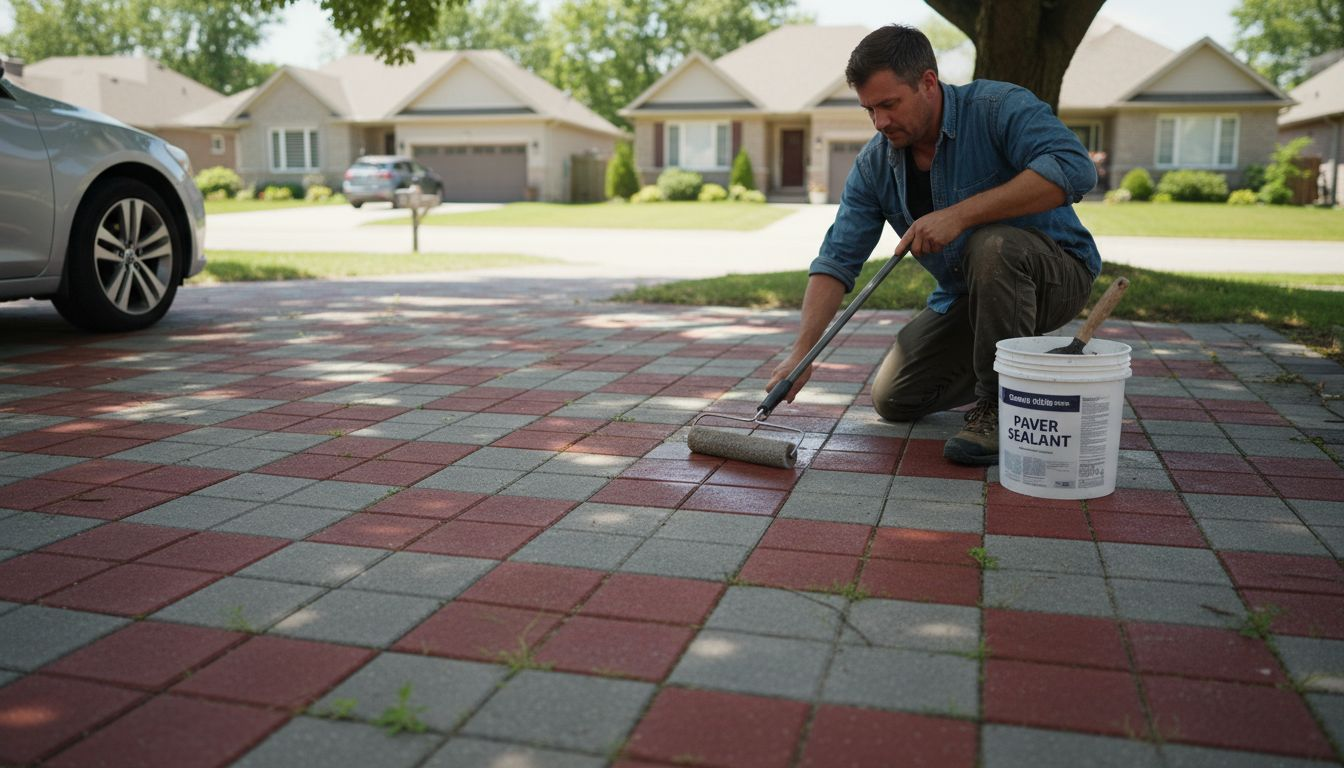
Many Etobicoke homeowners believe sealing interlocking pavers makes surfaces dangerously slippery when wet. This myth prevents countless people from protecting their outdoor investments. Modern sealants maintain surface traction at 95-100% while delivering crucial benefits like moisture protection, colour preservation, and weed reduction up to 70%. Sealing isn’t about creating glossy, slick surfaces. It’s about extending your pavers’ lifespan against Etobicoke’s harsh freeze-thaw cycles whilst keeping your outdoor spaces looking fresh for years.
Table of Contents
Key takeaways
Point | Details |
Weather protection | Sealing reduces moisture penetration by up to 50%, preventing freeze-thaw damage common in Etobicoke’s climate. |
Colour and stain defence | UV protection minimises fading whilst sealants resist oil, food, and dirt stains effectively. |
Weed control | Proper sealing blocks water and soil accumulation, reducing weed growth by up to 70%. |
Maintenance frequency | Reapply sealant every 2-3 years depending on exposure and sealant type for optimal protection. |
Safety assurance | Modern sealants preserve surface traction, eliminating slipperiness concerns when properly applied. |
Introduction to interlocking pavers and sealing
Interlocking pavers are durable, decorative paving stones that fit together without mortar, creating flexible outdoor surfaces. Etobicoke homeowners commonly install them for patios, driveways, and walkways because they combine aesthetic appeal with practical strength. These pavers boost durability of interlocking pavers through their unique design that distributes weight effectively.
Sealing applies a protective coating over paver surfaces and joints. This barrier shields against weather damage, stains, and environmental wear that gradually degrades unsealed installations. The process isn’t complicated, but it delivers substantial returns.
Key benefits include:
Protection from moisture infiltration and freeze-thaw cycles
Preservation of original colours against UV fading
Resistance to oil, food, and organic stains
Reduced weed growth between joints
Extended lifespan with minimal maintenance requirements
Without sealing, your pavers face constant exposure to Etobicoke’s variable climate. Rain penetrates joints, freezes in winter, and expands to crack pavers. UV radiation bleaches vibrant colours to dull grey. Weeds exploit every gap, creating unsightly growth that damages structural integrity over time.
Why sealing matters: durability and weather protection
Etobicoke’s climate poses serious threats to unsealed pavers. Winter temperatures regularly drop below freezing, then rise above it, creating destructive freeze-thaw cycles. Water seeps into paver pores and joints, freezes overnight, expands, and fractures the material from within.
Sealing interlocking pavers creates a protective barrier that prevents moisture penetration, thereby reducing freeze-thaw damage protection common in climates like Etobicoke’s. Studies show moisture reduction reaches 50% with quality sealants, dramatically lowering crack formation and spalling.
Beyond winter protection, sealing defends against daily wear:
Vehicle traffic on driveways grinds unsealed surfaces, creating dust and erosion
Foot traffic on walkways gradually smooths textures and removes joint sand
Rain washes away stabilising materials, causing pavers to shift
Salt and de-icing chemicals penetrate and degrade paver composition
Pro tip: Apply sealant in spring after winter damage inspection. This timing allows you to repair any cracks before sealing locks in protection for the next freeze-thaw season.
Sealed pavers resist these forces effectively. The protective layer absorbs impact and prevents abrasive particles from grinding directly on paver surfaces. Joint sand stays locked in place, maintaining structural stability. Your installation maintains its integrity far longer than unsealed alternatives.
The financial logic is straightforward. Replacing damaged pavers costs substantially more than preventive sealing every few years. A typical driveway sealing investment returns value through extended lifespan and reduced repair frequency.
Enhancing appearance: colour retention and stain resistance
Your pavers looked stunning on installation day. Maintaining that appearance requires defence against two primary enemies: UV radiation and staining agents. Both attack relentlessly without proper protection.
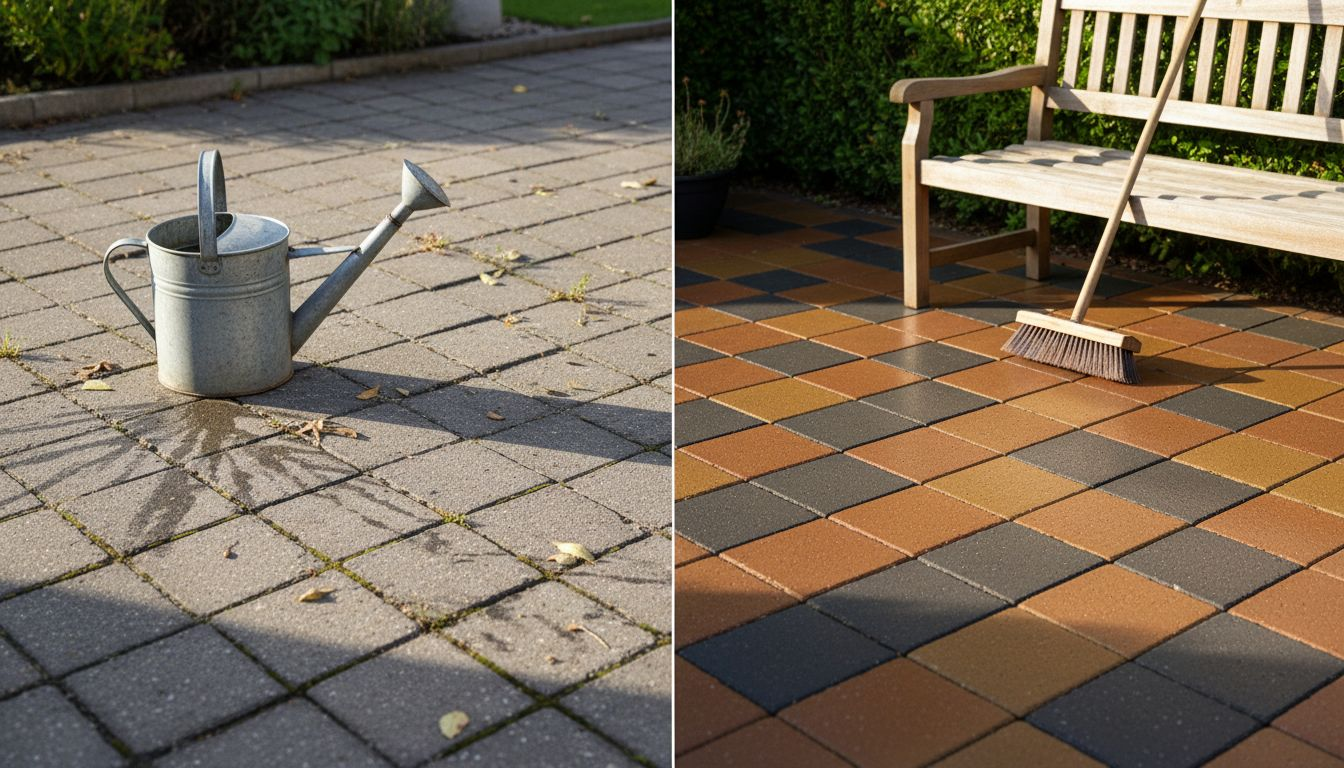
Ultraviolet rays break down pigments in paver surfaces, causing vibrant reds, browns, and greys to fade into washed-out versions of their former selves. This degradation accelerates on south-facing surfaces receiving maximum sun exposure. Choosing the correct sealant type depends on paver material and desired finish. Penetrating sealants enhance durability without altering appearance, whilst film-forming sealant types and finishes add gloss and colour enhancement of up to 30%.
Stain resistance becomes crucial around entertaining areas. Oil drips from barbecues, wine spills during gatherings, and organic debris all leave permanent marks on unsealed pavers. The porous nature of concrete and natural stone absorbs these substances deep into the material where cleaning can’t reach.
Sealing transforms this vulnerability:
Creates a non-porous barrier that prevents liquid absorption
Allows spills to sit on the surface for easy cleanup
Blocks organic materials from embedding in paver texture
Maintains consistent colour across entire installation
Simplifies routine cleaning with basic soap and water
Pro tip: Test sealant finish on a spare paver or inconspicuous area first. Film-forming varieties intensify colours beautifully but may create more sheen than you prefer for natural stone aesthetics.
The aesthetic benefits extend beyond colour and stains. Sealed surfaces resist dirt accumulation better than unsealed ones. Dust and grime find fewer places to lodge, meaning your pavers stay cleaner between maintenance sessions. This visual appeal directly impacts curb appeal and property value. Following paver maintenance tips ensures your investment retains its beauty for decades.
Weeds, insects, and other common misconceptions
Several myths about paver sealing persist amongst homeowners. Addressing these misconceptions helps you make informed decisions about your outdoor spaces.
The slipperiness myth: This concern tops the list of sealing objections. Modern sealants maintain surface traction within 95-100% of unsealed pavers, preventing any increased slip risk. Proper application technique and sealant selection ensure safe surfaces even when wet. Anti-slip additives exist for high-traffic areas requiring extra caution.
Weed elimination expectations: Sealing dramatically reduces weed growth but doesn’t eliminate it entirely. Sealing reduces weed growth up to 70% by blocking water and soil accumulation in joints. However, wind-blown seeds can still germinate in surface dust. Regular sweeping and occasional spot treatment remain necessary.
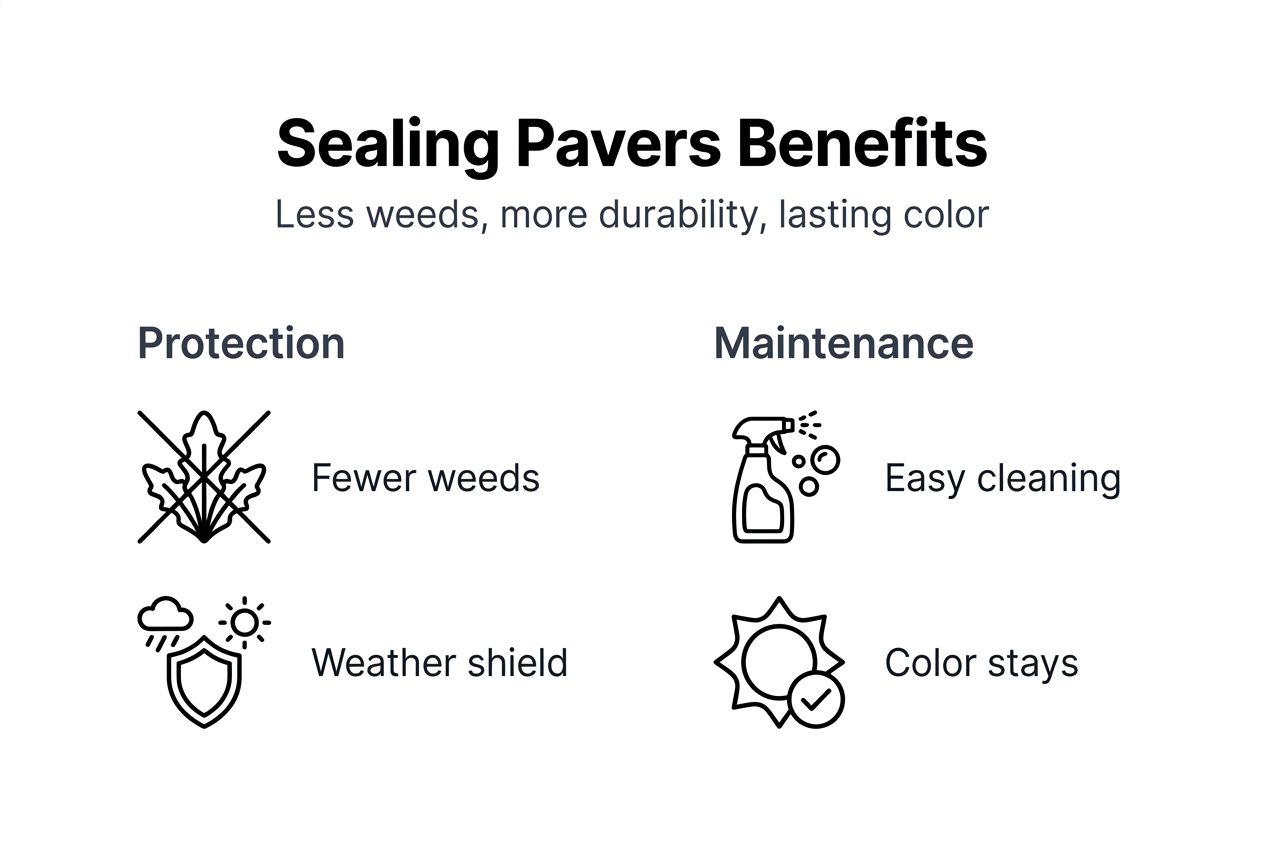
Permanent aesthetic changes: Some homeowners fear sealing permanently alters their pavers’ natural appearance. Penetrating sealants preserve original look whilst providing internal protection. You control the finish level through sealant selection.
Common misconceptions include:
Sealing fixes structural problems caused by poor installation (it doesn’t)
All sealants create glossy, artificial-looking surfaces (penetrating types don’t)
One application lasts forever (reapplication every 2-3 years is required)
Sealing prevents all maintenance needs (it reduces but doesn’t eliminate them)
DIY application always fails compared to professional work (proper preparation ensures success)
Understanding sealing limitations helps set realistic expectations. The process excels at protection and preservation but can’t reverse existing damage or compensate for installation defects. Cracks, settling, and poor drainage require repair before sealing delivers maximum benefit.
Choosing sealants and maintenance frequency
Selecting the right sealant determines your results. Two main categories serve different purposes and aesthetic goals.
Penetrating sealants absorb into paver pores, providing internal protection without changing surface appearance. They’re invisible once cured, maintaining natural stone texture and colour. These excel for homeowners wanting protection whilst preserving authentic looks. Durability is excellent, typically lasting 3-5 years before reapplication.
Film-forming sealants create a visible layer on paver surfaces. They enhance colours, add gloss levels from satin to high-gloss, and provide superior stain resistance. The trade-off involves more frequent reapplication every 2-3 years and potential for visible wear patterns in high-traffic zones.
Feature | Penetrating sealant | Film-forming sealant |
Appearance change | None, preserves natural look | Enhances colour 20-30%, adds gloss |
Durability | 3-5 years typical lifespan | 2-3 years before reapplication |
Stain resistance | Good, internal protection | Excellent, surface barrier |
UV protection | Moderate | Superior |
Application difficulty | Easy, forgiving | Requires careful technique |
Best for | Natural stone, rustic aesthetic | Concrete pavers, modern designs |
Choosing the correct sealant type depends on paver material and desired finish. Penetrating sealants enhance durability without altering appearance, whilst film-forming sealant type selection adds gloss and colour enhancement.
For Etobicoke’s climate, resealing every 2-3 years provides optimal protection. Harsh winters and UV exposure accelerate sealant degradation. Following maintenance frequency and sealant choice guidance ensures continuous protection.
Application process:
Clean pavers thoroughly, removing all dirt, stains, and organic growth
Repair damaged pavers and refill joints with polymeric sand
Allow surfaces to dry completely for 24-48 hours
Apply sealant evenly using roller or sprayer in thin coats
Allow proper curing time before foot or vehicle traffic
Inspect annually and reapply when water absorption increases
Pro tip: Schedule sealing during dry weather with temperatures between 10-25°C. Humidity and temperature extremes compromise sealant adhesion and curing, reducing effectiveness and longevity.
Investing time in proper sealant selection and application technique pays dividends through extended protection periods and superior results.
Conclusion: maximising your investment with sealed pavers
Sealing interlocking pavers delivers measurable benefits that protect your outdoor investment against Etobicoke’s demanding climate. Moisture reduction up to 50% prevents freeze-thaw damage that destroys unsealed installations within years. UV protection maintains vibrant colours whilst stain resistance simplifies maintenance dramatically.
The financial logic is compelling. Preventive sealing costs a fraction of paver replacement whilst extending lifespan by years or decades. Reduced weed growth saves countless hours of manual removal. Enhanced curb appeal increases property value and enjoyment of outdoor spaces.
Proper sealant selection matches your aesthetic preferences with protection requirements. Penetrating options preserve natural beauty whilst film-forming varieties intensify colours and add protective gloss. Regular reapplication every 2-3 years maintains continuous protection without significant expense.
Your pavers represent a substantial investment in your home’s exterior. Sealing transforms that investment from a slowly degrading asset into a long-lasting feature that withstands weather, traffic, and time. The choice between protection and neglect determines whether your outdoor spaces thrive or deteriorate.
Enhance your outdoor space with expert interlocking paver sealing
Protecting your pavers requires proper technique and quality materials. Professional sealing ensures optimal application, appropriate sealant selection, and long-lasting results that DIY approaches sometimes miss.
Interlocking Etobicoke brings over 20 years of experience transforming outdoor spaces across Etobicoke, North York, and Toronto. Our team understands local climate challenges and selects sealants that perform excellently in freeze-thaw conditions. From initial installation to ongoing maintenance, we deliver craftsmanship that extends your pavers’ beauty and durability for decades.
Whether you’re considering new paver installation or protecting existing surfaces, expert guidance makes the difference. Learn more about interlocking pavers and their transformative potential. Explore driveway interlocking options tailored to Etobicoke homes. Discover how professional sealing services in Etobicoke preserve your investment whilst enhancing curb appeal.
Frequently asked questions
How often should I reseal my interlocking pavers in Etobicoke?
Reseal every 2-3 years depending on sealant type and exposure levels. Harsh winters and high traffic accelerate degradation, potentially requiring earlier reapplication. Annual inspections help identify when water absorption increases, signalling diminished protection.
Will sealing my pavers make them slippery when wet?
Modern sealants maintain surface traction at 95-100% of unsealed pavers. Proper application prevents any increased slip risk. Anti-slip additives can be mixed into sealants for areas requiring extra caution like pool surrounds or steep slopes.
Can sealing prevent weeds from growing between pavers?
Sealing reduces weed growth by up to 70% by blocking water and soil accumulation that feeds seeds. However, it doesn’t eliminate all growth since wind-blown seeds can still germinate in surface dust. Regular sweeping and occasional spot treatment remain important maintenance tasks.
What type of sealant is best for natural stone pavers?
Penetrating sealants work best to preserve natural stone appearance whilst protecting internal durability. They absorb into pores without changing surface texture or colour. Film-forming sealants suit homeowners desiring colour enhancement and glossy finishes for more dramatic aesthetic impact.
Recommended
Comments