
What Are Pavers and Their Impact on Outdoor Spaces
- preciousralph89
- Feb 17
- 7 min read
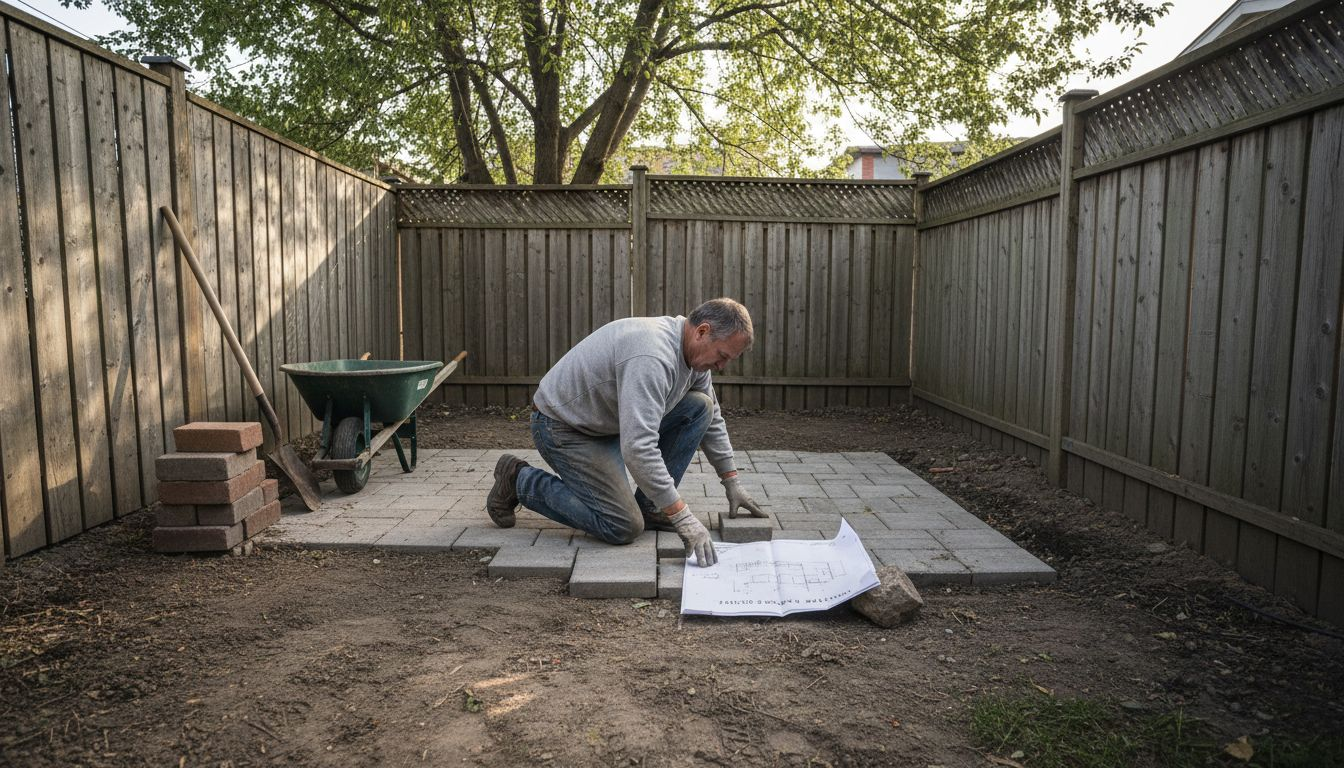
Choosing the right paver can be confusing when you want both curb appeal and lasting strength for your outdoor space in Etobicoke. Homeowners often wonder if pavers will hold up to our harsh winters or if installation is more complex than concrete or asphalt. Understanding the real benefits of versatile exterior flooring materials helps you create beautiful driveways and patios that resist cracking and make replacement simple. This guide will clear up common myths and help you select pavers that suit your home’s style and withstand Canadian weather.
Table of Contents
Key Takeaways
Point | Details |
Understanding Pavers | Pavers are individual flooring units that provide durability, aesthetic flexibility, and easy repair without the need for adhesive. |
Variety of Materials | Various paver types, such as concrete, clay brick, and natural stone, each cater to specific design and climate needs for Canadian homeowners. |
Installation Essentials | Proper installation with a stable base and edge restraints is critical to prevent common issues like shifting and cracking. |
Long-term Maintenance | Regular maintenance and prompt repairs of damaged sections are vital for prolonging the lifespan and appearance of paver surfaces. |
Defining pavers and common misconceptions
Pavers are versatile exterior flooring materials designed for transforming outdoor spaces with durability and aesthetic flexibility. These paving stones or concrete pieces) create functional platforms for driveways, patios, walkways, and other exterior surfaces.
At their core, pavers are individual units strategically placed to form cohesive surfaces. Unlike traditional concrete slabs, they offer unique advantages:
Easy individual replacement if damaged
Multiple design and pattern possibilities
Enhanced drainage capabilities
Resistant to cracking and shifting
Many homeowners misunderstand pavers, believing they require complex installation or permanent adhesion. In reality, most pavers rely on their own weight and carefully designed edge restraints, with no actual adhesive needed. Professional installation involves creating a stable foundation of compacted stone and sand layers, allowing individual units to interlock seamlessly.
Types of pavers include concrete blocks, clay bricks, natural stone pieces, and even recycled material compositions. Each material offers distinct aesthetic and functional characteristics, allowing customization for specific outdoor design requirements.
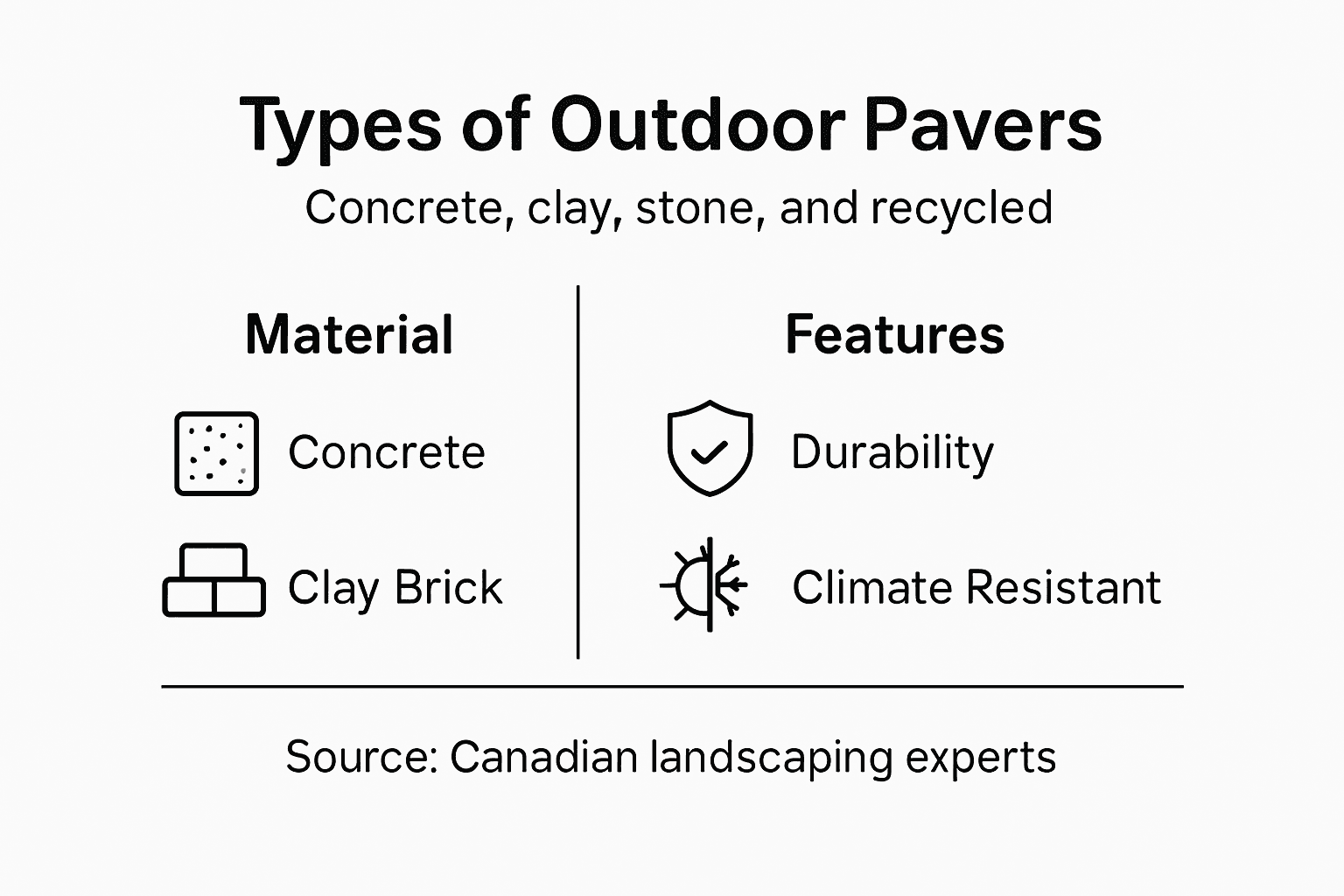
Pro tip: When selecting pavers, consider local climate conditions and choose materials that can withstand temperature fluctuations and moisture exposure.
Key types of pavers for Canadian homes
Canadian homeowners have several versatile paver options that can withstand the unique challenges of our diverse climate. Porous and permeable paving materials offer exceptional solutions for managing snowmelt and rain while enhancing outdoor aesthetics.
The primary paver types suitable for Canadian residential landscapes include:
Concrete pavers: Durable, cost-effective, and available in multiple colours and designs
Clay brick pavers: Traditional appearance with excellent longevity
Natural stone pavers: Premium option offering unique textures and elegant aesthetics
Interlocking concrete pavers: Superior drainage and flexibility for shifting ground conditions
Each paver type brings distinct advantages for Canadian homeowners. Concrete pavers, for instance, are particularly resilient against freeze-thaw cycles, making them an excellent choice for regions experiencing significant temperature variations. Natural stone pavers provide unparalleled beauty but require more specialized installation to ensure proper drainage and stability.
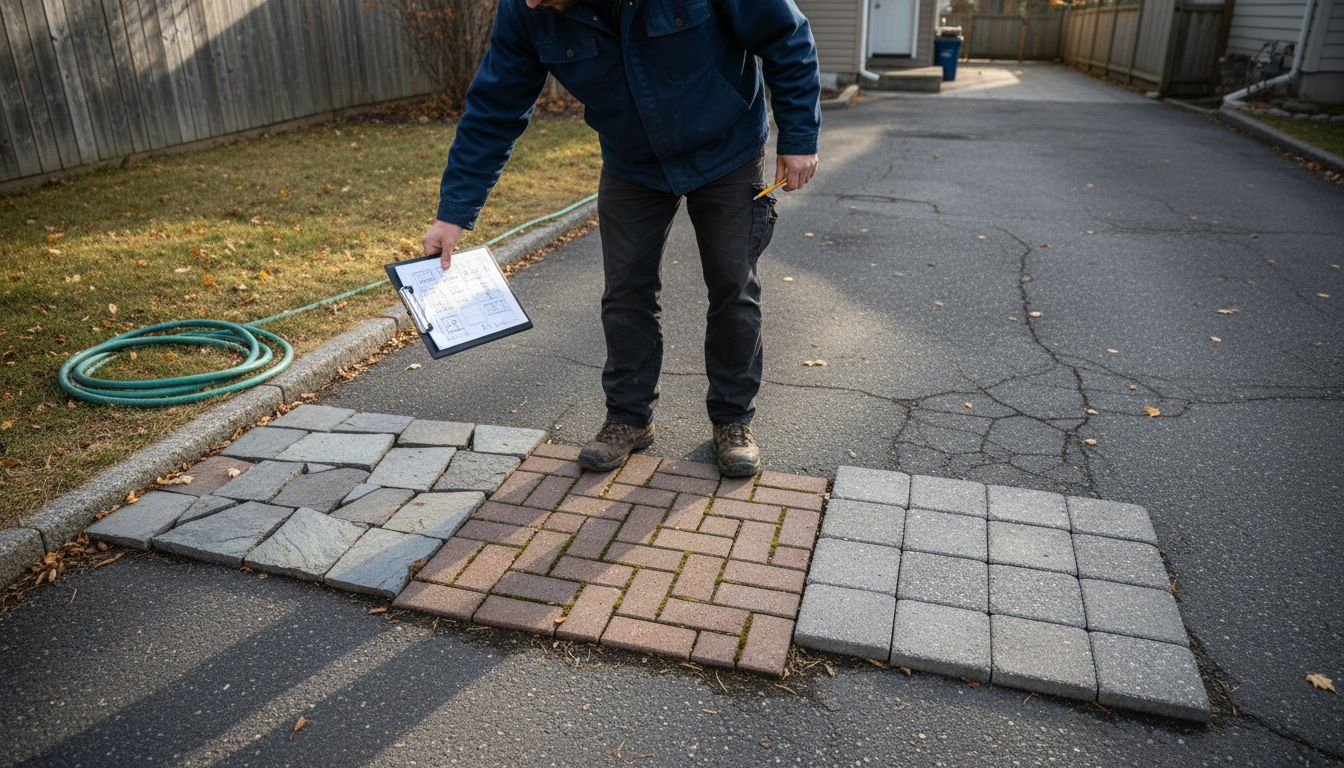
Permeable paving systems have gained significant popularity in Canadian landscapes due to their environmental benefits. These innovative solutions manage water runoff effectively, reducing potential flooding and supporting sustainable landscape management.
Pro tip: Always consult a local professional who understands regional climate challenges to select the most appropriate paver type for your specific outdoor space.
Here is a quick overview of common paver materials and their best applications for Canadian homes:
Paver Material | Typical Uses | Ideal Canadian Climate Suitability |
Concrete blocks | Driveways, patios | Great for all-season durability |
Clay bricks | Walkways, accents | Performs well in moderate climates |
Natural stone | Premium landscapes | Excellent with specialized install |
Recycled composites | Eco-friendly areas | Good for sustainable design goals |
Core features and performance benefits
Pavers represent more than just aesthetic solutions for outdoor spaces; they offer remarkable performance characteristics that make them a superior choice for Canadian homeowners. Permeable interlocking concrete pavers deliver exceptional functional benefits beyond traditional surfacing materials.
The core performance features of high-quality pavers include:
Durability: Withstand extreme temperature fluctuations
Water management: Reduce stormwater runoff effectively
Structural integrity: Maintain stability under vehicular and pedestrian traffic
Aesthetic versatility: Offer multiple design and colour options
Sustainable design: Promote environmental responsibility
Canadian climate presents unique challenges for outdoor surfaces, and pavers are engineered to respond precisely to these demands. Their modular design allows for natural expansion and contraction, preventing cracking and structural damage during harsh winter conditions. Stormwater management capabilities represent another significant advantage, with pervious pavers reducing surface water runoff and supporting local environmental sustainability.
Beyond functional performance, pavers provide homeowners with remarkable design flexibility. Their individual unit construction means damaged sections can be replaced without disrupting the entire surface, offering long-term cost-effectiveness and maintaining aesthetic appeal.
Pro tip: Select pavers with high compressive strength ratings to ensure maximum durability in challenging Canadian weather conditions.
Installation process and maintenance essentials
Paver installation is a precise process that requires careful planning and execution to ensure long-lasting performance. Systematic installation steps are critical for creating a durable and attractive outdoor surface in Canadian landscapes.
The comprehensive installation process involves several key stages:
Site preparation and excavation
Creating a stable base layer
Installing edge restraints
Applying precise sand bedding
Laying and positioning pavers
Filling joints with specialized sand
Maintenance is equally crucial for preserving the integrity and appearance of paver installations. Routine preventative maintenance helps protect your investment and extends the lifespan of your outdoor surfaces. Regular tasks include:
Removing debris and organic materials
Replenishing joint sand
Checking and repairing edge restraints
Cleaning with appropriate techniques
Avoiding harsh deicing chemicals
Canadian homeowners must pay special attention to winter maintenance, as freeze-thaw cycles can potentially damage improperly maintained paver surfaces. Proper installation techniques and consistent upkeep are essential for preventing issues like shifting, weed growth, and surface deterioration.
Pro tip: Invest in professional installation to ensure proper base preparation, which is the most critical factor in long-term paver performance and durability.
The following table summarizes installation and maintenance priorities for long-lasting paver surfaces:
Stage | Key Focus | Common Pitfall to Avoid |
Site preparation | Proper base compaction | Skipping thorough excavation |
Laying pavers | Correct pattern alignment | Uneven surface transitions |
Joint filling | Use correct polymeric sand | Leaving joints vulnerable to weeds |
Seasonal upkeep | Remove debris and check joints | Ignoring repairs after winter thaw |
Common risks, costs, and mistakes to avoid
Paver installations involve complex considerations that can significantly impact long-term performance and budget. Common installation mistakes can lead to costly repairs and premature surface failure for Canadian homeowners.
The most critical risks in paver projects include:
Inadequate base preparation
Poor drainage design
Insufficient edge restraint installation
Improper material selection
Neglecting site-specific soil conditions
Cost factors vary widely depending on multiple variables. Homeowners should anticipate expenses related to:
Material quality and type
Project square footage
Site preparation complexity
Labour requirements
Additional design elements
Understanding potential paver installation challenges helps prevent expensive mistakes. Professional assessment of your specific landscape conditions can mitigate risks associated with soil stability, drainage, and long-term surface performance.
Canadian climate adds another layer of complexity to paver installations. Freeze-thaw cycles, moisture variations, and extreme temperature fluctuations demand meticulous planning and high-quality materials to ensure durability.
Pro tip: Always budget an additional 10-15% above initial project estimates to account for unexpected site preparation or material requirements.
Comparing pavers to concrete and asphalt alternatives
Outdoor surfacing materials present unique advantages and challenges for Canadian homeowners. Pavement types offer distinct performance characteristics that significantly impact long-term functionality and aesthetic appeal.
Key comparative features include:
Flexibility
Asphalt: More flexible, bends under traffic loads
Concrete: Rigid, distributes loads over wider areas
Pavers: Adaptable, individual unit design
Maintenance Requirements
Asphalt: Frequent maintenance needed
Concrete: Less maintenance, longer service life
Pavers: Modular replacement, minimal overall maintenance
Installation Costs
Asphalt: Lowest initial investment
Concrete: Higher upfront costs
Pavers: Moderate initial expense with long-term value
Concrete and asphalt pavements provide standardized surfaces, but pavers offer unparalleled design flexibility. Their modular nature allows for creative patterns, colour variations, and easier repair processes that traditional materials cannot match.
Canadian climate demands robust surfacing solutions. Pavers excel in our challenging environment by allowing individual unit replacement, providing superior drainage, and resisting freeze-thaw cycle damage more effectively than continuous surfaces.
Pro tip: Consider local climate, maintenance budget, and aesthetic preferences when selecting outdoor surfacing materials, prioritizing long-term performance over initial cost.
Elevate Your Outdoor Spaces with Professional Paver Solutions
Transforming outdoor areas with pavers can be challenging without expert knowledge of suitable materials, proper installation, and ongoing maintenance. This article highlights common concerns Canadian homeowners face such as durability during freeze-thaw cycles, drainage management, and long-term surface stability. At Interlocking Etobicoke, we understand these pain points and specialise in premium interlocking patios, durable driveways, and elegant walkways designed to thrive in the Canadian climate.
Don’t let poor installation or unsuitable materials compromise your outdoor living experience. Explore how our expert team utilises high-quality pavers and precise installation techniques to create beautiful, functional spaces that resist shifting and cracking. Visit Interlocking Etobicoke today to start your project with confidence. Learn more about our interlocking patios and driveways and see how we bring creativity and durability together to enhance your home’s curb appeal and value.
Frequently Asked Questions
What are pavers and how are they used in outdoor spaces?
Pavers are individual units made of various materials, like concrete and natural stone, designed for outdoor flooring. They are used to create durable and aesthetically pleasing surfaces for driveways, patios, and walkways.
What are the advantages of using pavers over traditional concrete slabs?
Pavers offer several advantages, including easy individual replacement if damaged, a variety of design options, enhanced drainage capabilities, and greater resistance to cracking and shifting compared to traditional concrete slabs.
How do I choose the right type of paver for my outdoor project?
When selecting pavers, consider factors such as local climate conditions, the intended use of the space, and the desired aesthetic. Materials like concrete pavers are great for durability, while natural stone pavers provide unique beauty but may require specialized installation.
What is the installation process for pavers?
The installation process involves several key steps: site preparation and excavation, creating a stable base layer, installing edge restraints, applying sand bedding, laying the pavers, and filling joints with specialized sand to ensure stability and longevity.
Recommended
Comments