
Types of interlocking pavers for durable outdoor spaces
- pkgbp02
- 4 days ago
- 12 min read

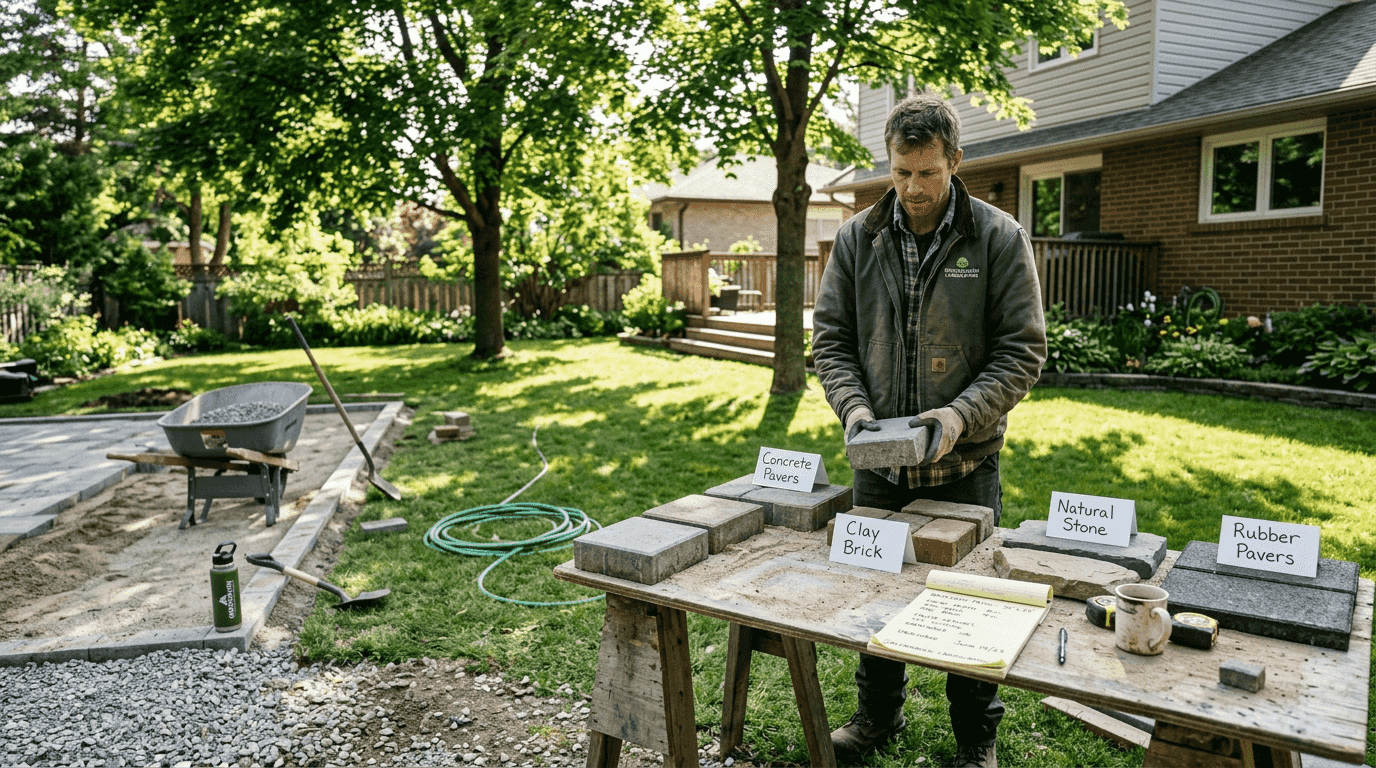
Choosing the right interlocking paver material for your Toronto-area outdoor project can feel overwhelming with dozens of options, styles, and price points. The wrong choice leads to cracking, fading, or costly repairs within a few years. This article breaks down key factors and types of pavers to guide your decision for durable, attractive patios, driveways, and walkways. You will learn about materials, costs, maintenance, and usage to select the best paver for your home enhancement project.
Table of Contents
Key takeaways
Point | Details |
Durability, cost, and maintenance vary greatly by paver material | Different materials suit different applications and budgets |
Concrete pavers offer strong freeze-thaw resistance and are cost-effective for driveways | Ideal for Toronto’s harsh climate with proper installation |
Natural stone pavers offer premium aesthetics but at a higher price and maintenance | Best for patios and walkways with moderate traffic |
Rubber pavers provide safety and cushioning for play areas and patios | Not suitable for heavy driveway loads |
Pattern choice affects both durability and appearance | Herringbone offers superior strength for vehicular traffic |
How to choose the right interlocking pavers: key selection criteria
Before selecting a specific paver type, you need to evaluate several critical factors that determine long-term performance and satisfaction. Durability stands paramount for Toronto’s harsh climate. Different interlocking paver materials vary significantly in their ability to withstand repeated freeze-thaw cycles that cause cracking and shifting.
Material choice directly impacts your budget, aesthetic vision, and ongoing maintenance commitment. Concrete, brick, natural stone, and rubber each bring distinct advantages and limitations. Cost considerations extend beyond initial purchase price to include installation complexity and long-term upkeep expenses.
Intended use shapes your material requirements dramatically:
Driveways demand high compressive strength to support vehicle loads without cracking
Patios prioritise aesthetics and comfort for outdoor living and entertainment
Walkways balance durability with visual appeal for daily foot traffic
Play areas require cushioning and slip resistance for child safety
Design flexibility varies by material. Concrete offers the widest range of colours, shapes, and textures through manufacturing processes. Natural stone provides unique, one-of-a-kind variations that create stunning focal points. Maintenance needs differ substantially, from simple occasional cleaning to regular sealing and joint sand replenishment. Understanding paver maintenance explained helps you factor ongoing care into your decision.
Climate compatibility matters immensely. Materials must resist moisture penetration, freeze-thaw damage, and salt exposure common in Ontario winters. The right choice considers both immediate project requirements and decades of seasonal stress. Learn more about interlocking paver types and advantages to understand how different materials perform in various conditions.
Concrete interlocking pavers
Concrete pavers dominate residential projects across Etobicoke, North York, and Toronto for excellent reasons. They deliver exceptional value, combining strength, versatility, and affordability in one package. Cost ranges approximately $2 to $7 per square foot depending on style complexity and finish quality.
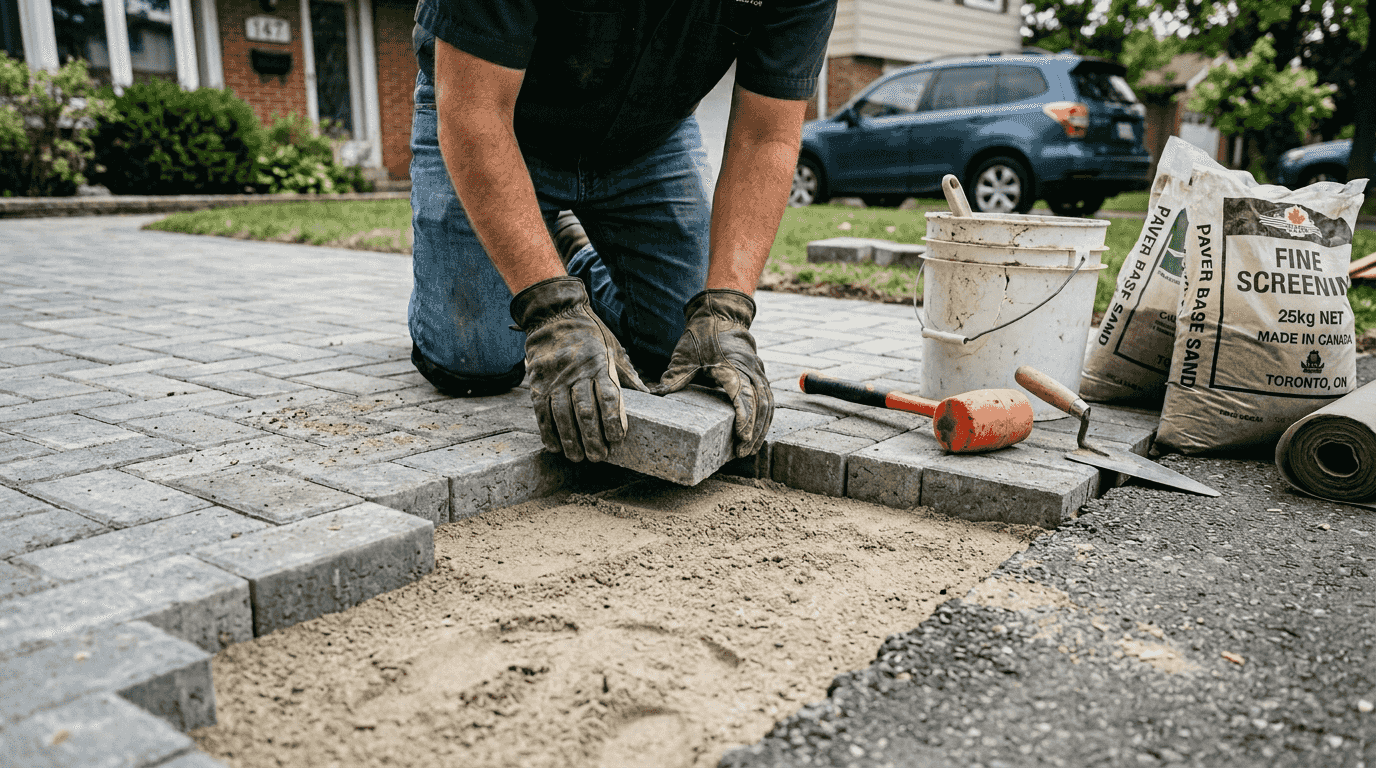
Concrete interlocking pavers have compressive strength from 8,000 to 10,000 PSI, making them perfectly suited for residential driveways supporting vehicle traffic. This strength prevents cracking under repeated loads and seasonal ground movement.
Freeze-thaw resistance ranks among concrete pavers’ greatest advantages for Canadian climates. Proper installation with adequate base preparation and drainage allows these pavers to withstand dozens of freeze-thaw cycles annually without deterioration. Water drains through joints rather than pooling on surfaces, reducing ice formation and seasonal damage.
Key concrete paver benefits include:
Wide variety of colours, textures, and shapes through manufacturing flexibility
Excellent load-bearing capacity for driveways and high-traffic areas
Replaceable individual units if damage occurs without full replacement
Permeable options available for improved drainage and environmental benefits
Maintenance involves sealing every 3 to 5 years to retain colour vibrancy and prevent efflorescence. Sealed surfaces resist oil stains, tyre marks, and weather-related fading far better than unsealed alternatives. Joint sand replenishment every few years maintains interlock and prevents weed growth.
Concrete pavers suit virtually any residential application. Build durable interlocking driveways in Toronto that handle daily vehicle traffic for decades. Create stunning patios with complex patterns and colour combinations. Design elegant walkways that complement your home’s architecture.
Pro Tip: Choose concrete pavers with a textured finish for driveways to improve traction in wet or icy conditions and reduce visible tyre marks over time.
Compare paver strength and cost across materials to understand where concrete delivers the best value proposition for your specific project needs.
Brick interlocking pavers
Clay brick pavers bring timeless elegance and warmth to outdoor spaces with their rich, earthy tones. Brick pavers cost $3 to $8 per square foot and offer a classic aesthetic that complements traditional and contemporary architecture equally well.
Manufactured from natural clay or limestone fired at high temperatures, brick pavers develop their characteristic colours through mineral content and firing processes. Reds, browns, and terracotta shades dominate, though specialty bricks offer wider palettes. Each brick carries subtle colour variations that create visual depth and character impossible to replicate with manufactured alternatives.
Durability presents both strengths and limitations. Brick pavers handle moderate foot traffic admirably but prove more susceptible to chipping and surface wear than concrete alternatives. Sharp impacts from dropped tools or furniture can chip edges. Freeze-thaw cycles may cause surface spalling if moisture penetrates the brick structure.
Efflorescence appears as white, powdery deposits on brick surfaces when soluble salts migrate through the material and crystallise. While not structurally damaging, efflorescence detracts from appearance. Regular cleaning and sealing minimise this cosmetic issue.
Maintenance considerations include:
Sealing every 2 to 3 years to protect colour and reduce moisture penetration
Regular cleaning to remove efflorescence deposits and prevent buildup
Joint sand replenishment to maintain stability and prevent weed growth
Prompt repair of chipped or cracked units to prevent further damage
Brick pavers excel in patios and walkways where their classic beauty shines without heavy vehicle loads. They create inviting outdoor living spaces with warmth and character. Light driveway use proves acceptable with proper maintenance, though heavy traffic accelerates wear.
Discover benefits of sealing interlocking pavers to understand how protective treatments extend brick paver lifespan and maintain their distinctive appearance. Review detailed brick paver characteristics and costs to evaluate whether their aesthetic appeal justifies higher maintenance requirements for your project.
Natural stone interlocking pavers
Natural stone pavers represent the pinnacle of outdoor paving elegance. Natural stone pavers cost $15 to $30 per square foot, reflecting their premium quality and unique visual impact. Flagstone, granite, limestone, and slate each bring distinct textures, colours, and patterns formed over millions of years.
No two natural stone pavers look identical. Colour variations, veining patterns, and surface textures create one-of-a-kind installations impossible to replicate. This uniqueness elevates outdoor spaces from functional to extraordinary, making dramatic design statements that synthetic materials cannot match.
Granite offers exceptional durability with superior scratch and stain resistance. Its dense structure withstands heavy use while maintaining appearance for decades. Flagstone provides rustic charm with naturally irregular shapes and earthy tones. Limestone delivers subtle elegance with soft, consistent colouring. Slate brings rich, layered textures and deep colours.
Durability varies by stone type but generally exceeds manufactured alternatives when properly maintained. Dense stones like granite resist weathering remarkably well. Softer stones like limestone require more care to prevent surface wear and staining. All natural stone benefits from regular sealing.
Sealing requirements include:
Initial application after installation to establish protective barrier
Resealing every 3 to 5 years depending on stone type and exposure
Enhanced stain resistance for high-use areas like outdoor kitchens
UV protection to prevent colour fading in direct sunlight
Natural stone suits patios and walkways exceptionally well, where moderate traffic preserves beauty while showcasing premium materials. Driveways prove feasible with harder stones like granite, though cost typically limits this application. Patio installations create stunning outdoor rooms that serve as home focal points and entertainment centrepieces.
Maintain your investment with proper paver maintenance and sealing to protect surfaces and enhance natural beauty. Explore natural stone paver features to understand specific characteristics of different stone types and select the best option for your aesthetic vision and functional requirements.
Rubber interlocking pavers: safety and cushioning benefits
Rubber pavers offer modern solutions for specific applications where safety, comfort, and easy installation matter most. Costs range from $4 to $8 per square foot, positioning rubber as an affordable mid-range option. Manufactured from recycled tyres, rubber pavers deliver environmental benefits alongside functional advantages.
Lightweight construction simplifies installation dramatically. You can complete DIY projects in hours rather than days, with minimal tools and no special equipment. Rubber pavers snap together or lay loose, allowing quick pattern changes and simple repairs. This flexibility proves invaluable for temporary installations or evolving outdoor designs.
Slip resistance ranks among rubber’s greatest safety features. Textured surfaces provide excellent traction even when wet, reducing fall risks significantly. This characteristic makes rubber ideal for pool surrounds, playground surfaces, and patio areas where moisture presence creates hazards with traditional hard materials.
Cushioning properties include:
Impact absorption reduces injury severity from falls, especially important for children
Comfortable underfoot feel reduces leg fatigue during extended standing
Noise reduction dampens footstep sounds compared to hard pavers
Thermal properties stay cooler than concrete or stone in direct sunlight
Maintenance requirements remain minimal. Regular sweeping removes debris. Occasional hosing cleans surfaces. No sealing needed. However, rubber pavers face UV degradation over time, with colours fading and surfaces becoming brittle after several years of sun exposure.
Applications suit safety-focused areas rather than heavy-duty uses. Patios gain comfort and slip resistance. Walkways become safer in all weather conditions. Play areas protect children during active play. Rubber pavers fail under vehicle loads, making them unsuitable for driveways.
Pro Tip: Install rubber pavers in shaded patio areas or under pergolas to minimise UV exposure and extend their lifespan while maximising comfort benefits.
Understand basic rubber paver maintenance to keep these surfaces performing well and looking attractive throughout their service life.
Design patterns and application recommendations
Paver laying patterns dramatically influence both structural performance and visual appeal. Pattern selection should align with your project’s functional requirements and aesthetic goals. The right pattern enhances durability while creating the look you envision.
Herringbone pattern provides superior strength and interlock compared to simpler layouts. Pavers laid at 45-degree or 90-degree angles create mechanical locks that resist shifting under vehicle loads. This pattern proves ideal for driveways where cars turn, park, and accelerate regularly. The interlocking action distributes forces across multiple pavers rather than concentrating stress on individual units.
Basketweave pattern alternates pairs of pavers at right angles, creating a woven appearance. This classic design suits patios and walkways where moderate traffic occurs without heavy vehicular loads. Basketweave offers traditional charm with adequate structural integrity for pedestrian applications.
Running bond mirrors traditional brick walls, with each row offset by half a paver length. Simple to install and visually clean, running bond works well for walkways and patios. It lacks herringbone’s superior interlock but provides sufficient stability for foot traffic.
Pattern considerations include:
Herringbone requires 10% more material for cutting but delivers maximum strength
Circular or radial patterns create stunning focal points for patios and courtyards
Soldier courses (border rows) frame patterns and provide edge definition
Mixed patterns add visual interest while maintaining structural integrity
Thickness recommendations vary by application. Driveways require 60mm to 80mm thick pavers to support vehicle weights. Patios and walkways function well with 50mm to 60mm pavers. Thicker pavers cost more but last longer under demanding conditions.
Pattern | Best Use | Strength | Complexity |
Herringbone | Driveways | Excellent | Moderate |
Basketweave | Patios | Good | Low |
Running bond | Walkways | Good | Low |
Circular | Patios | Moderate | High |
Choosing the right pattern complements your material selection and extends paver lifespan by ensuring proper load distribution and mechanical interlock. Pattern and material work together to create durable, beautiful outdoor spaces.
Maintenance and longevity considerations
Proper maintenance transforms good paver installations into decades-long investments. Regular care prevents small issues from becoming expensive repairs whilst preserving the beauty that attracted you to pavers initially. Different materials demand specific maintenance approaches.
Seal concrete and brick pavers every 3 to 5 years minimum. Sealing concrete and brick pavers helps preserve colour, resist efflorescence, and protect against freeze-thaw damage. Sealed surfaces shed water rather than absorbing it, reducing ice formation and seasonal deterioration.
Clean surfaces regularly to remove dirt, organic debris, and stains before they become permanent. Power washing works well for concrete pavers but may damage softer brick or stone. Use appropriate cleaning agents for specific stain types, such as oil removers for driveway spills.
Replenish joint sand annually or as needed to maintain paver stability and prevent weed growth. Polymeric sand locks pavers together whilst resisting washout from rain and drainage. Proper joint filling prevents pavers from shifting under load and reduces weed seed germination.
Address cracks, chips, or shifting areas immediately to prevent extensive damage. Individual damaged pavers can be replaced without disturbing surrounding areas. Shifting often indicates base settlement or drainage issues requiring professional assessment.
Apply weed prevention treatments if organic growth becomes problematic between pavers. Manual removal works for occasional weeds but recurring problems benefit from polymeric sand or selective herbicides safe for hardscaping.
Maintenance frequency depends on paver type and local conditions. High-traffic areas require more frequent attention. Shaded locations prone to moss and algae need regular cleaning. Driveways with vehicle traffic demand periodic inspection for damage and settlement.
Climate factors significantly impact maintenance needs. Toronto’s freeze-thaw cycles stress pavers more than milder climates. Salt exposure from winter de-icing accelerates surface degradation. Proper drainage becomes critical to prevent water accumulation and ice formation.
With diligent care, concrete pavers last 25 to 30 years or more. Brick pavers reach 25 years with proper sealing and maintenance. Natural stone can last 50 years or longer. Rubber pavers typically last 10 to 15 years before UV degradation necessitates replacement.
Learn comprehensive sealing interlocking pavers benefits to understand how protective treatments extend lifespan across different materials and applications.
Summary comparison and situational recommendations
Selecting the optimal paver type requires balancing cost, durability, aesthetics, and maintenance against your specific project requirements and budget constraints. This comparison synthesises key factors to guide your final decision for Etobicoke, North York, and Toronto properties.
Concrete pavers emerge as the most versatile and cost-effective choice for driveways. Their high compressive strength handles vehicle loads whilst freeze-thaw resistance suits Ontario’s harsh climate perfectly. Reasonable costs and moderate maintenance make concrete ideal for homeowners seeking durability without premium pricing.
Brick pavers suit homeowners prioritising classic aesthetics for patios and walkways. Their traditional charm complements period architecture beautifully. However, higher maintenance requirements and moderate durability mean brick demands more ongoing attention than concrete alternatives.
Natural stone offers unmatched visual impact for patios and walkways where budget allows premium materials. The unique beauty justifies higher costs for homeowners creating showcase outdoor spaces. Moderate traffic applications preserve stone appearance whilst highlighting natural elegance.
Rubber pavers fill specific niches where safety and comfort outweigh other considerations. Play areas, pool surrounds, and covered patios benefit from cushioning and slip resistance. Limited durability and unsuitability for driveways restrict rubber to specialised applications.
Material | Cost/sq ft | Best Use | Durability | Maintenance | Climate Suitability |
Concrete | $2 to $7 | Driveways | Excellent | Moderate | Excellent |
Brick | $3 to $8 | Patios | Good | High | Good |
Stone | $15 to $30 | Patios | Excellent | Moderate | Good |
Rubber | $4 to $8 | Play areas | Fair | Low | Fair |
Climate considerations matter immensely for Toronto-area installations. Materials must withstand repeated freeze-thaw cycles, salt exposure, and moisture fluctuations. Concrete and natural stone generally outperform brick and rubber in harsh conditions when properly installed and maintained.
Your decision should weigh immediate project needs against long-term satisfaction. Consider not just installation costs but decades of maintenance, potential repairs, and aesthetic evolution. The right choice balances practical requirements with personal preferences to create outdoor spaces you will enjoy for years.
Explore interlocking driveway options in Etobicoke for detailed guidance on selecting and installing driveways that perform beautifully in local conditions.
Enhance your outdoor space with expert interlocking paver services
Transforming your outdoor vision into reality requires more than selecting beautiful pavers. Professional installation ensures proper base preparation, adequate drainage, and correct edge restraints that determine long-term durability. Our team at Interlocking Etobicoke has spent over 20 years perfecting interlocking installations across Etobicoke, North York, and Toronto.
We specialise in patios, driveways, and walkways tailored to your style preferences and Toronto’s demanding climate. Every project receives meticulous attention to ensure pavers perform beautifully for decades. Our experts guide material selection based on your specific needs, budget, and aesthetic goals.
Beyond paving, we offer comprehensive expert retaining walls services that complement your outdoor paver projects. Retaining walls manage grade changes, prevent erosion, and create stunning multi-level landscapes that maximise usable outdoor space.
Contact us today to discuss your project vision. We provide free consultations and detailed estimates that help you understand options, costs, and timelines before making commitments.
Frequently asked questions
What is the best interlocking paver type for Toronto driveways?
Concrete interlocking pavers perform best for Toronto driveways due to their high compressive strength between 8,000 and 10,000 PSI combined with excellent freeze-thaw resistance. Proper installation with adequate base preparation, drainage, and edge restraints ensures these pavers handle vehicle traffic and harsh winters for 25 years or more without significant deterioration.
How often should I seal my interlocking pavers?
Seal concrete and brick pavers every 3 to 5 years to maintain colour vibrancy and protect against weather damage. Regular sealing prevents staining, reduces weed growth in joints, and minimises efflorescence whilst enhancing resistance to freeze-thaw cycles common in Ontario. Natural stone requires similar sealing frequency depending on stone type and exposure conditions.
Are rubber interlocking pavers suitable for walkways?
Yes, rubber pavers work excellently for walkways due to their slip-resistant texture and comfortable cushioning underfoot. They provide superior safety in wet conditions compared to hard materials. However, rubber pavers are not suitable for driveways or areas with vehicle traffic due to insufficient load-bearing capacity and faster degradation under heavy use.
Can I install interlocking pavers over existing concrete?
Installing pavers over existing concrete is possible when the concrete base remains structurally sound without major cracks or settling. The concrete must be level and provide adequate drainage. This approach saves excavation costs but requires proper surface preparation and may limit design flexibility compared to traditional installations with granular base preparation.
How long do interlocking pavers last in Toronto’s climate?
Properly installed and maintained concrete pavers last 25 to 30 years in Toronto’s freeze-thaw climate. Natural stone can exceed 50 years whilst brick pavers typically reach 25 years with diligent sealing and care. Longevity depends critically on proper base preparation, adequate drainage, and regular maintenance including sealing and joint sand replenishment.
Recommended
Comments