
Retaining Wall Terminology – Why It Matters Locally
- pkgbp02
- Feb 20
- 12 min read

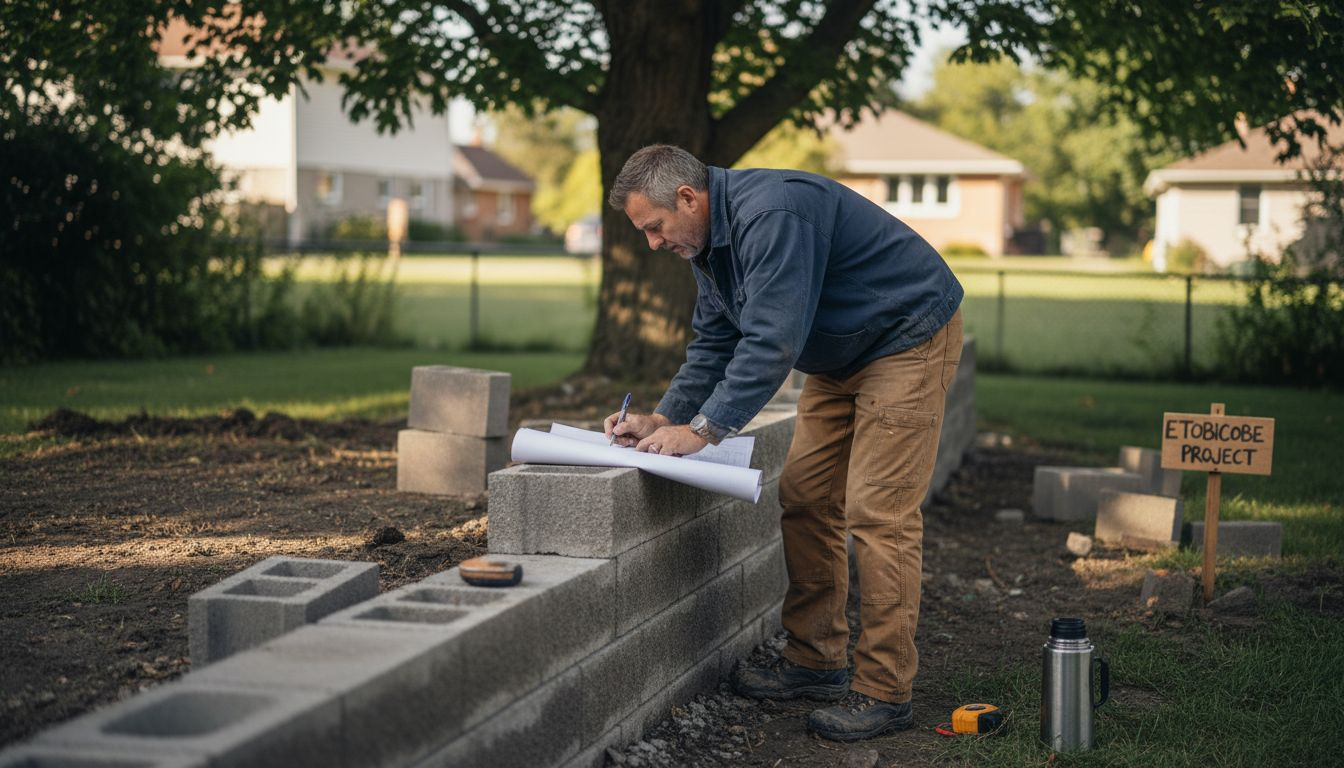
Building a retaining wall for your Etobicoke property can feel overwhelming when you hear unfamiliar terms from contractors and engineers. Clear knowledge of lateral earth pressure, backfill, and proper drainage gives you the confidence to spot shortcuts and communicate your needs, no matter the soil or water challenges unique to Etobicoke. Learning these foundational terms means you protect your investment and help your project withstand years of Canadian weather.
Table of Contents
Key Takeaways
Point | Details |
Understanding Key Terms is Crucial | Familiarity with terms such as lateral earth pressure, backfill, and hydrostatic pressure enables homeowners to communicate effectively with contractors and identify potential issues. |
Proper Drainage is Essential | Inadequate drainage is the leading cause of retaining wall failures; thus, a comprehensive drainage system must be integrated into the wall design. |
Choosing the Right Wall Type Matters | Selection of an appropriate retaining wall type based on soil conditions, wall height, and site access is critical for long-term performance. |
Ensure Compliance with Local Regulations | Adhering to Etobicoke’s building permits and setback regulations is necessary to avoid fines, safety issues, and legal disputes during and after construction. |
Core retaining wall terms explained
When you’re planning a retaining wall for your Etobicoke home, you’ll hear contractors and engineers use specific terminology. Understanding these terms helps you make informed decisions about your project, communicate effectively with professionals, and recognise potential problems before they become expensive.
Let’s start with the foundation concepts you need to know.
The Forces at Work
Lateral earth pressure is the horizontal force that soil exerts against your retaining wall. Think of it like pushing your hand against a wall—the soil behind your wall is constantly pushing sideways, trying to move the structure forward. This pressure increases with depth, meaning the lower sections of your wall experience much greater stress than the top.
Backfill refers to the soil you place behind the wall after construction. This isn’t random dirt; it’s a critical component that affects drainage, stability, and long-term performance. In Etobicoke’s climate, proper backfill composition matters because it influences how water moves through and around your wall.
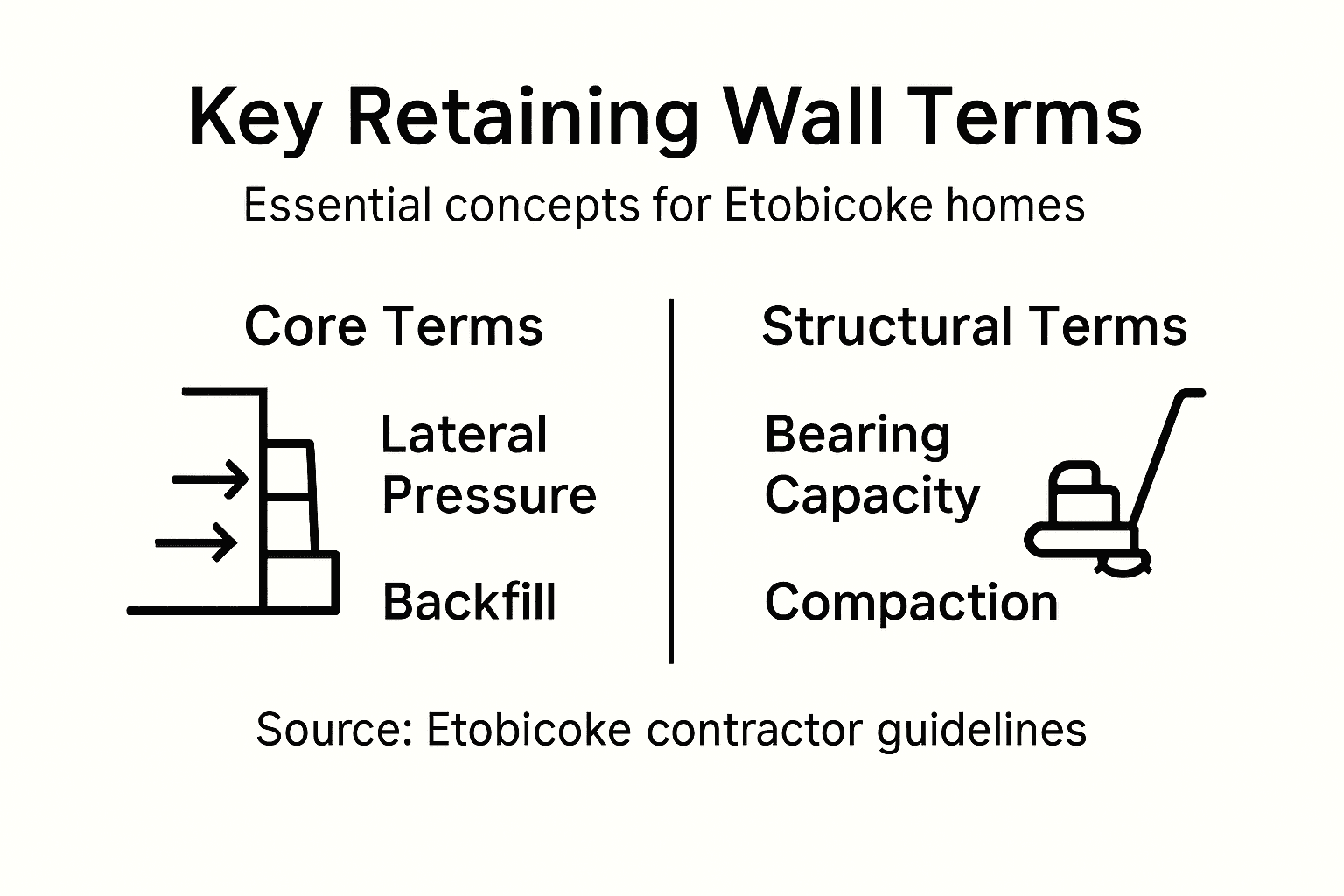
The wedge of soil is an invisible but important zone—it’s the triangular section of earth pressing directly against your wall’s surface. Understanding this concept helps explain why some walls fail and others thrive for decades.
Essential Structural Terms
Three types of failure define stability concerns for retaining walls:
Sliding occurs when the wall moves horizontally, pushed by soil pressure
Overturning happens when the wall tips forward, rotating at its base
Bearing failure develops when the foundation soil can’t support the weight above it
A wall’s bearing capacity is the maximum weight its foundation soil can safely hold. In Etobicoke, soil conditions vary significantly by neighbourhood, so testing is often necessary before construction begins.
Water Management Terminology
Hydrostatic pressure builds up when water accumulates behind your wall. This is critical in areas with poor drainage or heavy rainfall. Lateral earth pressure increases dramatically when water saturates the backfill, which is why drainage systems are non-negotiable in proper design.
Drainage systems alleviate this pressure by directing water away from the wall’s face. Common components include perforated pipes, filter fabrics, and gravel layers that work together to keep moisture from accumulating dangerously.
The drainage layer sits directly behind the wall facing, allowing water to flow downward rather than pooling against the structure. This simple concept prevents years of potential damage.
Proper drainage separates walls that last 30 years from those that fail in five. It’s not optional in Etobicoke’s climate.
Why These Terms Matter for Your Project
Knowing these terms lets you ask better questions when contractors propose solutions. You’ll understand why they recommend specific wall heights, drainage designs, or backfill materials. You can also identify red flags—like a design that ignores drainage or uses unsuitable backfill.
Pro tip: Ask your contractor to explain how they’re addressing lateral earth pressure and drainage in your specific wall design—their answer tells you whether they understand local soil and climate conditions.
Types of retaining walls and key distinctions
Not all retaining walls are built the same way. The type you choose depends on soil conditions, site access, budget, and how much soil you need to retain. Understanding the differences helps you have better conversations with contractors about what makes sense for your Etobicoke property.
Gravity Walls
Gravity walls rely on their own weight to resist lateral pressure from soil behind them. Picture a massive stone or concrete block that uses sheer mass to stay put. These walls work well for smaller heights, typically under 1.5 metres, and are straightforward to install.
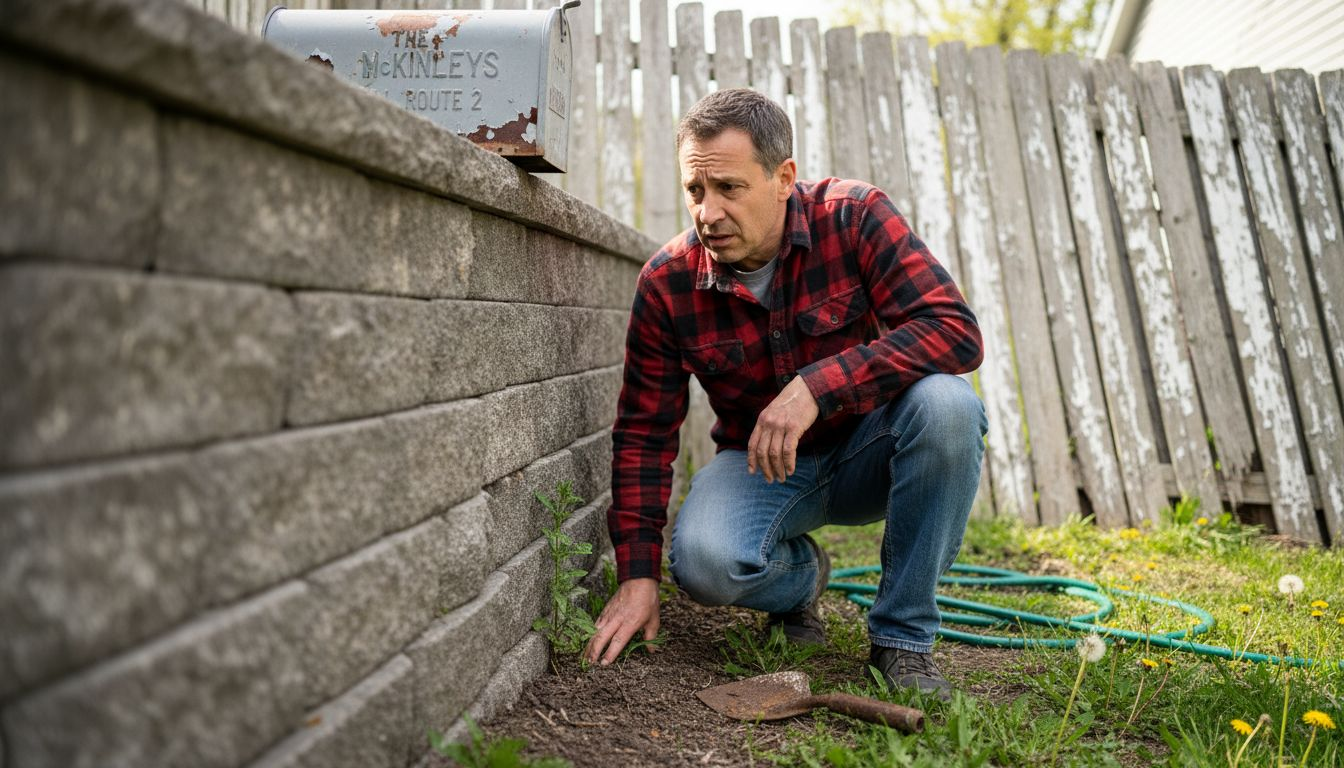
Gravity walls require less engineering oversight than other types, making them cost-effective for many homeowners. However, they need substantial space at the base, which doesn’t work if you’re constrained by property lines.
Reinforced Concrete and Cantilever Walls
Reinforced concrete walls integrate steel rebar or other structural supports to handle higher loads than gravity alone. These walls can be taller and thinner, making them ideal when space is limited. They’re common for residential projects across Etobicoke where height requirements exceed what gravity walls can manage.
Cantilever walls use a horizontal base slab that extends beneath the soil, creating leverage to resist overturning. This design is efficient and practical for most home projects. The base slab bears against the soil, anchoring the wall securely.
Specialized Wall Types
Soldier pile walls employ vertical posts driven into the ground with horizontal lagging (boards or steel plates) between them. These work well for steep slopes and sites with difficult access. Soil nail walls stabilise slopes by anchoring metal nails directly into the earth.
Mechanically stabilised earth walls integrate reinforcement strips throughout the backfill, creating a composite structure. Gabion walls use wire cages filled with rock or stone, offering a distinctive rustic appearance popular in landscaping.
Choosing the Right Type for Your Property
The best wall type depends on several factors:
Height of the wall and volume of soil to retain
Soil composition and drainage characteristics
Available space for construction
Budget constraints and timeline
Local building codes and permit requirements
Your site conditions in Etobicoke determine which wall type will perform reliably for decades. Local soil and water conditions are critical.
Contractors with experience in your neighbourhood understand which walls handle Etobicoke’s specific challenges—clay soils, freeze-thaw cycles, and variable drainage patterns. This local knowledge prevents costly mistakes.
Pro tip: Ask potential contractors which wall types they’ve successfully installed in your specific Etobicoke neighbourhood and why they recommend one type over others for your soil and site conditions.
Here’s a quick comparison of retaining wall types commonly used in Etobicoke:
Wall Type | Typical Height | Space Needed | Notable Advantages |
Gravity Wall | Up to 1.5 metres | Wide base area | Simple and cost-effective |
Reinforced Concrete | 1.5 metres and above | Narrower footprint | Suits limited space, high strength |
Cantilever | 1.5 metres and above | Medium footprint | Efficient use of materials, stable |
Soldier Pile | Variable | Minimal access | Useful for steep or tight sites |
Mechanically Stabilised Earth | Medium-high | Requires reinforced backfill | Good for poor soil, flexible setup |
Gabion | Variable | Medium footprint | Rustic look, good drainage |
Essential features: drainage, backfill, stability
Three interconnected systems determine whether your retaining wall lasts 30 years or fails in five. Drainage, backfill, and structural stability work together as a unified system. Ignore any one of these, and the others cannot perform effectively.
Why Drainage Matters Most
Water is the silent destroyer of retaining walls. When water accumulates behind your wall, it creates hydrostatic pressure—literally pushing your wall forward with tremendous force. This pressure increases dramatically during Etobicoke’s heavy spring rains and freeze-thaw cycles.
Proper drainage systems redirect water away from your wall’s face, preventing dangerous accumulation. A well-designed drainage system includes:
Perforated drainage pipes that collect water behind the wall
Filter fabric that prevents soil from clogging the pipes
Gravel backfill layer that allows water to move freely
Outlet pipes that safely discharge water away from your property
Without drainage, even the strongest wall eventually fails. Water doesn’t care how well-built your structure is.
Backfill Selection and Compaction
Backfill is the soil you place behind the wall, and it’s not as simple as using whatever dirt you have on site. The wrong backfill causes settlement, lateral pressure problems, and drainage failures. Proper backfill composition reduces lateral pressure and ensures long-term stability.
Ideal backfill consists of:
Granular soil with good drainage characteristics
Appropriate particle size distribution
Proper compaction in layers to eliminate voids
Material that won’t trap water or become saturated
Etobicoke’s clay-heavy soils often need amendment. Contractors typically mix native soil with gravel or crushed stone to improve drainage and reduce pressure on the wall. Skipping this step is a common—and expensive—mistake.
Structural Stability Against Failure
Structural stability means your wall resists three failure modes: sliding, overturning, and bearing failure. These occur when lateral pressure exceeds the wall’s capacity to hold it back.
Stability depends on:
Wall height and mass
Strength of foundation soil
Quality of drainage (reduces pressure)
Quality of backfill (reduces pressure and improves anchorage)
Adequate safety factors account for soil variability and water conditions. Professional design ensures these factors protect your wall through decades of seasonal stress.
How These Three Systems Work Together
Think of it this way: drainage keeps pressure down, backfill material distributes remaining pressure evenly, and structural design resists that pressure. Compromise any element, and the system fails.
Drainage failures cause 80% of retaining wall problems. A wall with perfect structure but poor drainage will fail.
Your contractor should explain how their design addresses all three systems. If they focus only on wall height and ignore drainage or backfill, that’s a red flag.
Pro tip: During your site inspection, ask your contractor to show you where water behind the wall will go and how backfill will be compacted—their detailed answers reveal their expertise.
This summary illustrates how drainage, backfill, and structure interdependently impact wall longevity:
Feature | Function | Impact of Poor Execution |
Drainage | Manages water flow behind wall | Causes hydrostatic pressure, early failure |
Backfill | Supports wall, aids drainage | Causes settlement, instability, drainage issues |
Structural Design | Resists physical forces | Susceptible to sliding, overturning, collapse |
Regional rules and safety for Etobicoke
Building codes and regulations exist for good reason—they protect your property and your neighbours. Etobicoke has specific requirements for retaining walls that differ from other Toronto neighbourhoods. Understanding these rules before you start prevents costly delays, fines, and structural failures.
Building Permits and Code Requirements
Most retaining walls in Etobicoke require a building permit. The threshold depends on wall height and location. Walls over 1.2 metres typically require formal approval; some jurisdictions require permits for walls as small as 0.9 metres.
Skipping permits seems tempting until you face:
Fines from the City of Toronto Enforcement
Forced removal of non-compliant structures
Liability issues if the wall causes damage
Problems when selling your home
Your contractor should handle permit applications, though you remain responsible for ensuring it’s done. Verify permits are pulled before excavation begins.
Setback and Property Line Rules
Etobicoke regulations specify how close walls can be to property lines. Most jurisdictions require minimum setbacks—typically 0.6 metres from your property line, though this varies by ward. Building on the exact property line creates legal disputes with neighbours and potential liability.
Before design, hire a surveyor to confirm property boundaries. This small investment prevents expensive conflicts later.
Soil and Foundation Requirements
Your foundation soil determines what’s structurally safe. Etobicoke’s mixed soils—clay, silt, and sand combinations—require professional evaluation. A geotechnical assessment identifies bearing capacity and drainage characteristics specific to your site.
This assessment informs:
Safe wall height
Foundation depth requirements
Drainage system design
Backfill specifications
Contractors who skip this assessment are cutting corners dangerously. Professional design accounts for your specific soil conditions.
Safety Factors and Design Standards
Retaining walls must incorporate adequate safety margins against sliding, overturning, and bearing failure. Ontario Building Code and Toronto Municipal Code specify these safety factors. Walls designed to minimum code requirements may perform adequately but leave little margin for error.
Seismic considerations also matter. While Etobicoke rarely experiences significant earthquakes, code-compliant design accounts for potential ground movement.
Drainage and Environmental Compliance
Water management affects both your wall’s performance and your neighbours’ properties. Improperly directed drainage water flowing onto neighbours’ land creates liability. City regulations require drainage systems that prevent property damage.
Common requirements include:
Proper grading to direct water away from structures
Swales or drainage pipes for concentrated water flow
Inspection access for maintenance
Compliance with stormwater management standards
A wall that meets code but ignores neighbours’ drainage concerns invites legal problems and costly fixes.
Working with Licensed Professionals
Hiring engineers, surveyors, and licensed contractors protects you. These professionals understand Etobicoke’s specific codes and can navigate permit processes efficiently. Their documentation proves your wall meets regulations—critical if disputes arise later.
Ask contractors for examples of projects they’ve completed in your specific neighbourhood. Local experience matters significantly.
Pro tip: Contact Toronto’s Buildings and Infrastructure Services before design to clarify permit requirements and specific code provisions for your property—catching requirements early saves months of delays.
Common installation errors and liabilities
Retaining wall failures rarely happen by accident. They result from predictable mistakes that contractors make when they cut corners or skip critical steps. Understanding these errors helps you recognize poor workmanship before it becomes an expensive problem.
Drainage Failures: The Most Common Error
Inadequate drainage causes more retaining wall failures than any other single factor. Contractors sometimes skip drainage entirely to save money and time. Water accumulates behind the wall, building hydrostatic pressure that eventually overwhelms the structure.
Common drainage mistakes include:
No perforated pipes to collect water behind the wall
Missing or inadequate filter fabric
Backfill material that traps water instead of draining it
No outlet pipes to direct water away from the wall
Inadequate drainage leads to hydrostatic pressure buildup that destabilises the wall within years. This error is entirely preventable with proper planning.
Backfill and Compaction Problems
Improper backfill compaction creates voids and settlement zones behind your wall. When soil settles unevenly, it pulls the wall backward and creates visible gaps or tilting. The wall may appear fine initially, then fail months later as settlement continues.
Proper backfill requires:
Material selection appropriate for drainage
Layered placement in 15-20 centimetre lifts
Mechanical compaction of each layer
Verification of compaction density
Contractors who dump soil and push it down with equipment rather than properly compacting are setting you up for failure.
Deviations from Design Specifications
Engineers design walls for specific conditions: soil type, groundwater levels, wall height, and local climate. When contractors deviate from these specifications—using different materials, installing the wall at a different height, or skipping foundation requirements—the wall loses its engineering safety margins.
Common deviations include:
Insufficient foundation depth
Wrong backfill material substituted for cost savings
Omitted drainage components
Wall height increased beyond design parameters
These changes might seem minor but compromise the entire structural system.
Site Preparation and Foundation Failures
Poor site preparation creates unstable foundations. If the base isn’t level, compacted, and cleared of debris, the wall settles unevenly. Insufficient foundation depth means the wall bears on unsuitable soil that cannot support it long-term.
Your contractor should show you foundation preparation work. If you can’t see evidence of proper excavation, levelling, and compaction, that’s a red flag.
Liability and Your Responsibility
When walls fail, liability questions arise. Did the contractor follow the design? Did they pull permits? Did they install required drainage? Your answers determine whether you can hold the contractor accountable or face the costs yourself.
Installation errors that violate building code place liability squarely on the contractor. Ensure they carry liability insurance and worker compensation coverage.
Always require written specifications before work begins. Photograph foundation preparation and each construction stage. This documentation protects you if disputes arise.
Pro tip: Visit your site during installation and ask the contractor to explain each step: backfill layers, compaction methods, and drainage placement—their answers reveal whether they understand best practices.
Secure Your Etobicoke Property with Expert Retaining Wall Solutions
Understanding key retaining wall terminology like lateral earth pressure, hydrostatic pressure, and proper drainage is crucial to avoid costly failures in Etobicoke’s unique soil and climate conditions. If you want lasting stability and to protect your investment, you need a contractor who not only knows the terms but applies proven techniques for drainage systems, backfill compaction, and structural stability — exactly what you get with Interlocking Etobicoke.

Don’t risk premature retaining wall failure or expensive repairs. Trust our 20 years of experience transforming outdoor spaces with premium, build-to-last retaining walls designed specifically for your property. Visit Interlocking Etobicoke to discover how we integrate proper drainage and solid engineering in every project. Ready to elevate your outdoor living and ensure your wall stands strong for decades Ask us about our custom retaining walls and professional design consultation today.
Frequently Asked Questions
What is lateral earth pressure and why is it important for retaining walls?
Lateral earth pressure is the horizontal force exerted by soil against a retaining wall. Understanding this pressure is crucial as it increases with depth, affecting wall stability and design.
How does backfill impact the performance of a retaining wall?
Backfill is the soil placed behind the wall that influences drainage, stability, and the overall performance of the structure. Proper backfill selection is key to reducing lateral pressure on the wall.
What are the common modes of failure for retaining walls?
The common modes of failure for retaining walls include sliding (horizontal movement), overturning (tipping forward), and bearing failure (foundation soil not supporting the weight). Each mode must be addressed in wall design.
Why is drainage critical for retaining wall longevity?
Drainage prevents hydrostatic pressure buildup behind the wall from water accumulation, which can otherwise cause structural failure. A well-designed drainage system is essential for maintaining the wall’s integrity over time.
Recommended
Comments