
Retaining Wall Best Practices: 30% Longer Lifespan 2026
- pkgbp02
- Mar 1
- 11 min read

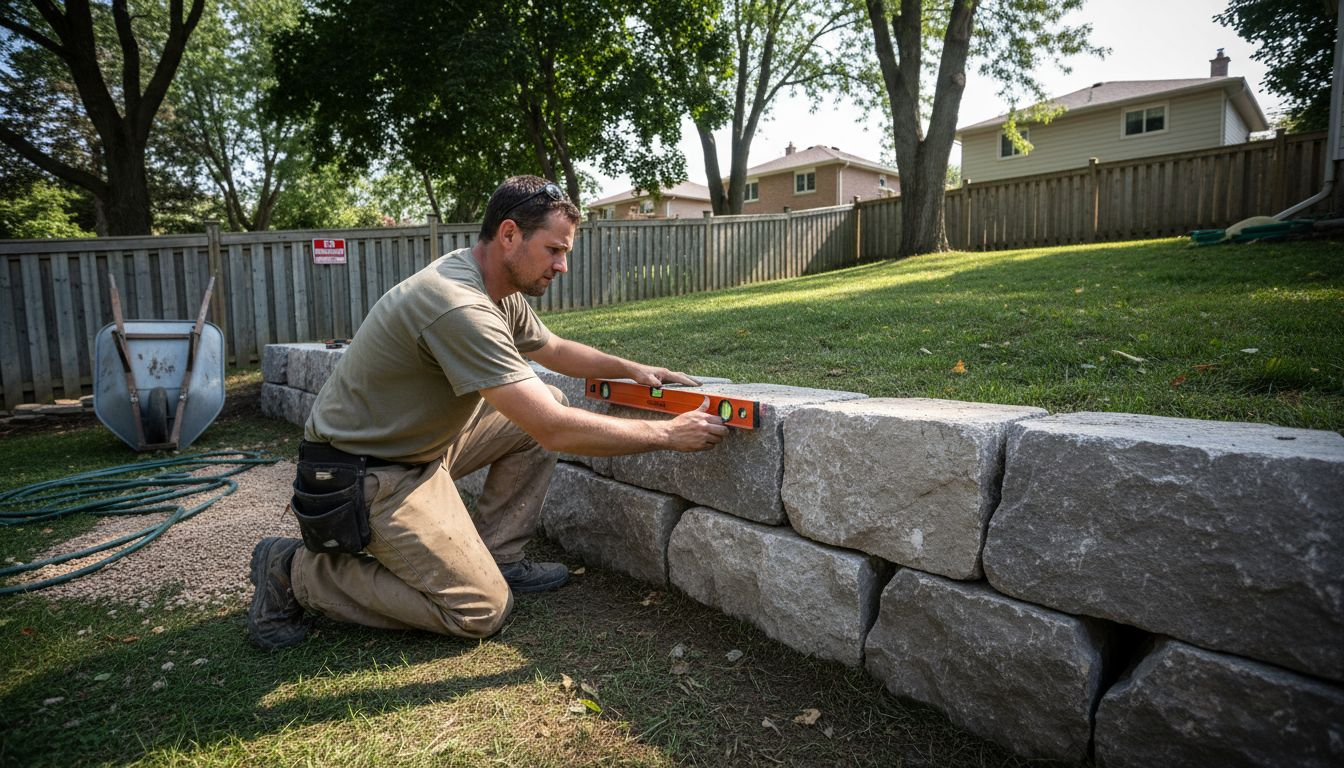
Retaining walls across Etobicoke often fail prematurely because homeowners overlook critical drainage and material choices. Proper drainage systems can increase retaining wall lifespan by up to 30%, yet many installations skip this essential step. This guide walks you through best practices for selecting materials, designing effective structures, and maintaining your retaining wall to ensure it delivers decades of reliable performance in our local climate.
Table of Contents
Key Takeaways
Point | Details |
Material choice drives durability | Concrete blocks, natural stone, timber, and brick each offer distinct trade-offs in lifespan, cost, and maintenance demands. |
Drainage prevents costly failures | Effective drainage systems stop hydrostatic pressure buildup that causes cracking and premature wall collapse. |
Professional installation matters | Expert builders ensure compliance with local codes, proper structural design, and long-term value for your investment. |
Maintenance impacts total cost | Low initial costs can mislead if materials require frequent repairs and treatment over their lifespan. |
Design flexibility enhances function | Multi-tier walls, integrated planters, and lighting transform retaining walls into attractive, functional outdoor features. |
Selection Criteria for Retaining Wall Materials and Design
Choosing the right retaining wall for your Etobicoke property starts with understanding what matters most in our climate. Durability in freeze-thaw climates is paramount to avoid damage because winter temperatures swing above and below freezing repeatedly. This constant cycling causes weaker materials to crack and deteriorate rapidly.
Drainage stands as your wall’s most critical defense mechanism. Water trapped behind a retaining wall creates hydrostatic pressure that pushes outward with tremendous force. Without proper drainage channels, even the strongest materials will bow, crack, or collapse under this relentless pressure.
Consider these essential factors when planning your project:
Freeze-thaw resistance: Materials must withstand repeated freezing and thawing without cracking or spalling
Drainage capacity: Backfill materials and drain pipes must move water away efficiently
Maintenance requirements: Some materials need annual sealing while others stay maintenance-free for decades
Aesthetic compatibility: Your wall should complement your home’s architecture and landscape design
Budget alignment: Balance upfront costs against maintenance expenses and expected lifespan
Pro Tip: Walk your property after heavy rain to identify where water naturally flows. This helps you plan drainage routes that work with your terrain instead of fighting against it.
Your material choice creates a ripple effect through every aspect of your project. A durable option with higher upfront costs often delivers better value than cheaper alternatives that demand constant attention. Understanding retaining wall systems suitable for Etobicoke helps you make informed decisions that match your specific site conditions and long-term goals.
Material Types and Their Strengths
Each retaining wall material brings unique advantages and limitations to your project. Let’s compare the most popular options to help you match materials with your priorities.
Concrete Blocks lead the market for good reason. Concrete blocks offer 50 to 100+ years lifespan with low maintenance, making them ideal for homeowners seeking durability without ongoing hassle. These interlocking units come in dozens of colors, textures, and profiles. You can create modern, traditional, or rustic looks depending on your design preferences.
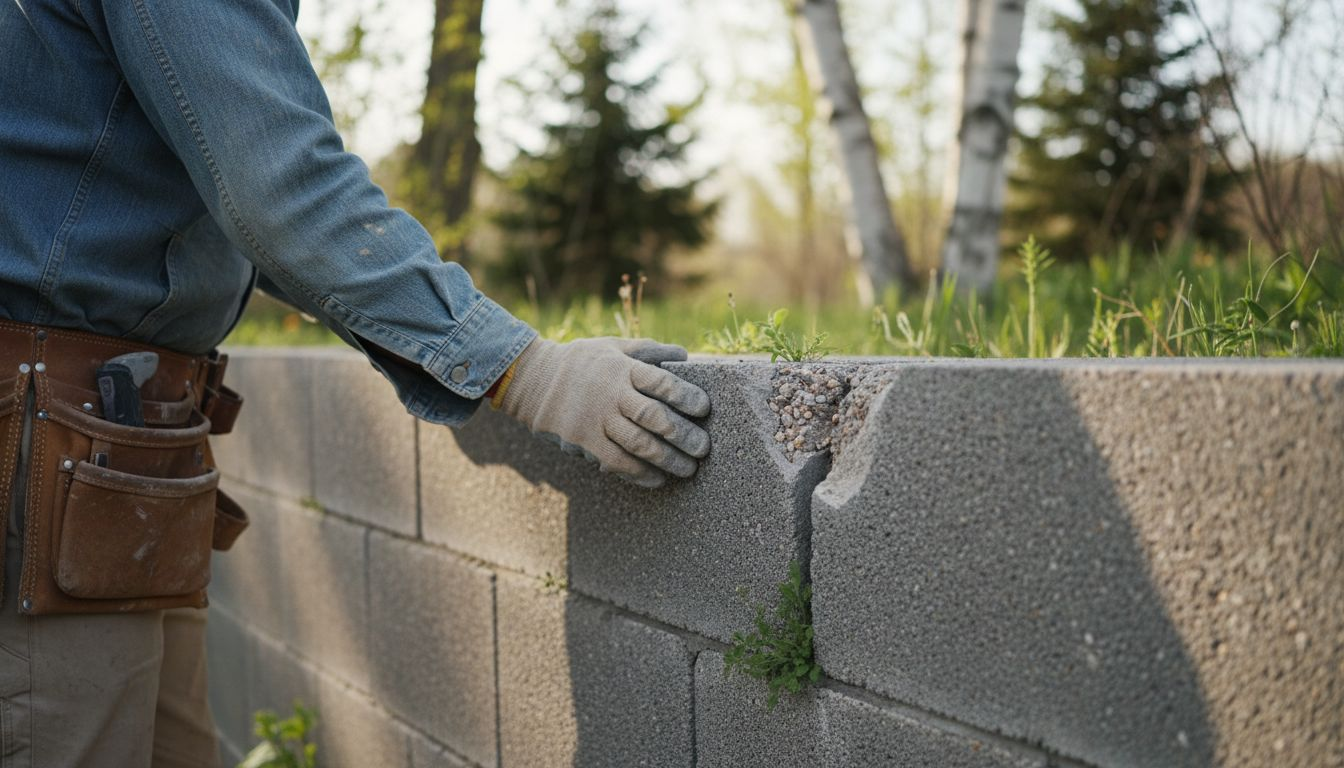
Natural Stone represents the premium choice. Natural stone retaining walls can last up to 1000 years requiring minimal upkeep, though they demand higher installation expertise and material costs. Granite, limestone, and fieldstone deliver unmatched aesthetic appeal with natural color variations. Each wall becomes truly one-of-a-kind.
Timber serves budget-conscious projects well initially. Timber retaining walls last 15 to 40 years but need regular treatment and repairs, adding ongoing costs that narrow the savings gap. Pressure-treated lumber offers the most affordable entry point, while cedar and redwood extend lifespan naturally through their inherent rot resistance.
Brick provides classic charm with moderate performance. Brick walls typically last 30 to 75 years when properly installed with adequate drainage. The traditional look suits heritage homes beautifully, though brick requires more careful mortar joint maintenance than interlocking alternatives.
Material | Lifespan | Maintenance Level | Aesthetic Range | Best For |
Concrete Blocks | 50-100+ years | Low | High variety | Most residential projects |
Natural Stone | Up to 1000 years | Minimal | Premium natural | Luxury installations |
Timber | 15-40 years | High | Rustic/natural | Temporary or budget builds |
Brick | 30-75 years | Moderate | Traditional | Heritage home integration |
Pro Tip: Visit completed projects in your neighborhood to see how different materials weather in Etobicoke’s specific conditions. Colors and textures can look dramatically different after a few winters.
“The right material choice depends less on which option ranks highest overall and more on which characteristics align with your specific priorities, site conditions, and long-term vision for your outdoor space.”
Explore detailed comparisons of retaining wall material options to understand how each performs in different applications. Learning about various retaining wall types and materials helps you ask informed questions when consulting with contractors. External resources on long-lasting retaining wall materials and natural stone retaining walls provide additional perspectives worth reviewing.
Structural Design and Drainage Best Practices
Even the finest materials fail without proper structural design and drainage systems. Understanding these critical elements separates walls that last decades from those that crumble within years.
Hydrostatic pressure builds whenever water accumulates behind your retaining wall. This invisible force pushes outward constantly, stressing joints and connections. Drainage systems can increase retaining wall lifespan by up to 30% by eliminating this destructive pressure before it causes damage.
Implement these drainage essentials:
Install perforated drain pipes at the wall base to collect and redirect water
Use gravel backfill behind the wall to create fast drainage paths
Add weep holes every 1.5 to 2 meters to release trapped moisture
Grade soil away from the wall top to prevent surface water infiltration
Connect drainage to proper outlets that move water completely off your property
Multi-tier wall designs work smarter on steep slopes. Instead of building one towering wall, you create a stepped system with multiple shorter walls. This approach distributes soil pressure more evenly, reduces the load on any single structure, and creates attractive terraced planting areas.
Follow this design sequence:
Survey your site to identify grade changes and natural drainage patterns
Calculate soil loads and determine whether reinforcement is needed
Design drainage routes that intercept water before it reaches the wall
Plan foundation depth below frost line (typically 1.2 meters in Etobicoke)
Space tiers at least 1 meter apart horizontally to allow independent performance
Pro Tip: Run a garden hose at full pressure near your planned wall location after excavation. Watch where water flows naturally. Your drainage system should follow these paths to work efficiently with minimal pumping or redirection.
Reinforcement techniques increase stability for taller walls. Geogrids anchor back into the soil mass, effectively extending your wall’s base width. Mechanical anchors tie the wall face to buried deadmen or rock. These methods allow you to build higher walls safely without excessive thickness.
Regular inspection catches small problems before they become expensive failures. Check for bulging, leaning, or cracked units each spring after freeze-thaw cycles. Clear drainage outlets of debris. Address issues immediately rather than waiting for obvious distress.
Learn more about retaining wall structural design in Etobicoke to understand local soil conditions and code requirements. Professional drainage solutions for retaining walls ensure water management integrates seamlessly with your overall landscape plan. External guidance on the importance of drainage in retaining wall design reinforces why this element deserves careful attention.
Cost and Maintenance Comparison
Understanding total ownership costs prevents budget surprises and helps you choose materials that deliver genuine value over time.
Concrete blocks cost $10-$20/sq.ft.; natural stone $25-$40/sq.ft.; timber $15-$25/sq.ft., with maintenance impacting lifecycle costs. These ranges reflect material and basic installation but exclude site preparation, drainage systems, and permits.
Concrete blocks win on long-term value. Low maintenance requirements mean you spend almost nothing after installation beyond occasional cleaning. Over a 50-year lifespan, total costs remain close to the initial investment.
Natural stone demands higher upfront spending but rewards you with minimal ongoing expenses. The durability premium pays off if you plan to stay in your home long term or want to maximize property value. Maintenance involves little more than occasional cleaning and rare repointing if mortar was used.
Timber appears budget-friendly initially but accumulates costs quickly. Annual treatment with sealers runs $200 to $500 depending on wall size. Boards may need replacement every 5 to 10 years. Over 30 years, total spending often exceeds concrete block alternatives that looked more expensive at first.
Material | Installation Cost | Annual Maintenance | 30-Year Total |
Concrete Blocks | $10-$20/sq.ft. | $0-$50 | $10,000-$20,000 (100 sq.ft. wall) |
Natural Stone | $25-$40/sq.ft. | $0-$100 | $25,000-$40,000 (100 sq.ft. wall) |
Timber | $15-$25/sq.ft. | $200-$500 | $20,000-$35,000 (100 sq.ft. wall) |
Brick | $20-$30/sq.ft. | $50-$150 | $15,000-$28,000 (100 sq.ft. wall) |
Pro Tip: Request detailed maintenance schedules from contractors during estimates. A material requiring professional service every few years may cost more long-term than premium options with higher initial prices.
Hidden costs catch homeowners off guard. Drainage system installation adds $15 to $25 per linear foot. Permits typically run $100 to $500 depending on wall height and location. Soil testing for engineered walls costs $500 to $1,500. Budget an extra 15% to 20% beyond quoted material and labor for these necessary expenses.
Durable material selection reduces long-term spending dramatically. A wall that lasts 100 years costs far less per year of service than one requiring replacement every 20 years. Factor in inflation, labor cost increases, and disposal fees for failed walls when calculating true lifecycle economics.
Compare professional retaining wall installation costs for local pricing tailored to Etobicoke conditions. External analysis of retaining wall material costs and maintenance provides industry benchmarks worth reviewing.
Design Variations and Use Cases
Smart design choices transform basic retaining walls into functional outdoor features that enhance your property’s usability and beauty.
Multi-tiered retaining walls help manage steep slopes by distributing soil pressure and enhancing outdoor space use without very tall walls. This approach creates natural terracing for gardens, seating areas, or pathways. Each tier remains low enough to avoid triggering engineered design requirements, saving money while maintaining safety.
Integrated features multiply your wall’s value:
Built-in planters soften hard edges with colorful blooms and foliage
Low-voltage lighting highlights texture while improving nighttime safety
Cap stones create informal seating for gatherings
Integrated steps provide grade changes without separate staircases
Water features add soothing sounds and visual interest
Material choice influences design flexibility significantly. Concrete blocks offer the widest range because manufacturers produce countless shapes, sizes, and finishes. You can mix colors within a single wall or create contrasting bands. Natural stone provides organic beauty but limits precise geometric patterns. Timber suits casual, rustic designs but struggles with formal applications.
Terrain conditions dictate practical approaches:
Flat yards with minor grade changes: Simple single-tier walls work well for defining spaces or creating raised beds
Moderate slopes (15% to 25%): Two or three tiers balance function and aesthetics without excessive height
Steep slopes (over 25%): Multiple shorter tiers prove safer and more cost-effective than one tall engineered wall
Irregular topography: Curved walls follow natural contours gracefully while straight walls require more cutting and filling
Well-planned design increases outdoor living usability dramatically. Terraced spaces create distinct zones for dining, play, and gardening. Retaining walls double as privacy screens or windbreaks. The right design enhances property value by expanding functional square footage and improving curb appeal.
Explore creative retaining wall designs for slopes to see how professionals maximize challenging sites. Learning about multi-tiered retaining wall benefits helps you envision possibilities for your property.
Professional Installation and Permits
Hiring qualified professionals protects your investment and ensures your retaining wall performs safely for decades.
Professional installers bring critical expertise to every project phase. They calculate soil loads accurately, design drainage systems that actually work, and build foundations that resist frost heave. Experienced crews spot potential problems during excavation and adjust plans before issues become expensive failures.
Compliance with municipal permits avoids legal and safety issues. Etobicoke requires permits for most retaining walls over 1 meter tall. The approval process verifies your design meets structural standards and setback requirements. Skipping permits risks enforcement action, removal orders, and liability if the wall fails and causes damage.
Proper installation prevents catastrophic failures:
Qualified builders compact base materials to specified densities
They install drainage components at correct elevations and slopes
Professional crews use proper backfill materials in correct sequences
Experienced installers recognize problem soils and adjust techniques accordingly
Expert guidance saves money long-term. Professionals help you select materials that match your site conditions, budget, and aesthetic goals. They provide realistic timelines and identify potential complications before you commit. This upfront investment in expertise prevents costly corrections and rebuilds.
Peace of mind comes from knowing your wall meets all safety standards. Professional work typically includes warranties covering materials and workmanship. You gain recourse if problems emerge, unlike DIY projects where you bear all risk.
Connect with professional retaining wall installation experts who understand Etobicoke’s specific soil and climate challenges. Review retaining wall basics to understand what distinguishes quality construction. Consider local concrete contractors who offer integrated outdoor solutions beyond just retaining walls.
Summary and Situational Recommendations
Your ideal retaining wall solution depends on matching materials and design to your specific priorities and site conditions.
Natural stone delivers unmatched longevity and prestige for homeowners prioritizing premium aesthetics and minimal lifetime maintenance. The higher initial investment pays dividends through centuries of service and exceptional property value enhancement. Choose stone when budget allows and you want the finest possible outcome.
Concrete blocks provide the best balance for most residential applications. Durability rivals stone at significantly lower cost. Design flexibility accommodates any architectural style. Low maintenance requirements keep lifetime costs predictable and manageable. This option suits homeowners seeking proven performance without premium pricing.
Timber works for temporary installations or tight budgets where lifespan expectations remain modest. Garden beds, low decorative walls, and projects with planned redesigns within 15 to 20 years can use timber economically. Accept the maintenance commitment and plan for eventual replacement.
Multi-tier designs excel on sloped sites by distributing loads safely across multiple shorter walls. This approach creates attractive terracing while avoiding the complexity and cost of tall engineered structures. Choose tiered systems when grade changes exceed 1.5 meters.
Always hire professionals for walls over 1 meter tall, those supporting structures, or installations in challenging soil conditions. The modest additional cost for expert design and installation prevents expensive failures and ensures code compliance.
Your retaining wall represents a significant investment in your property’s function and beauty. Careful material selection, proper drainage design, and professional installation ensure decades of reliable performance. Find trusted professional retaining wall services to bring your vision to life.
Discover Premium Retaining Wall Solutions in Etobicoke
Ready to transform your outdoor space with a retaining wall that combines durability, beauty, and flawless function? Partner with local experts who bring over 20 years of experience designing and installing premium retaining walls across Etobicoke.
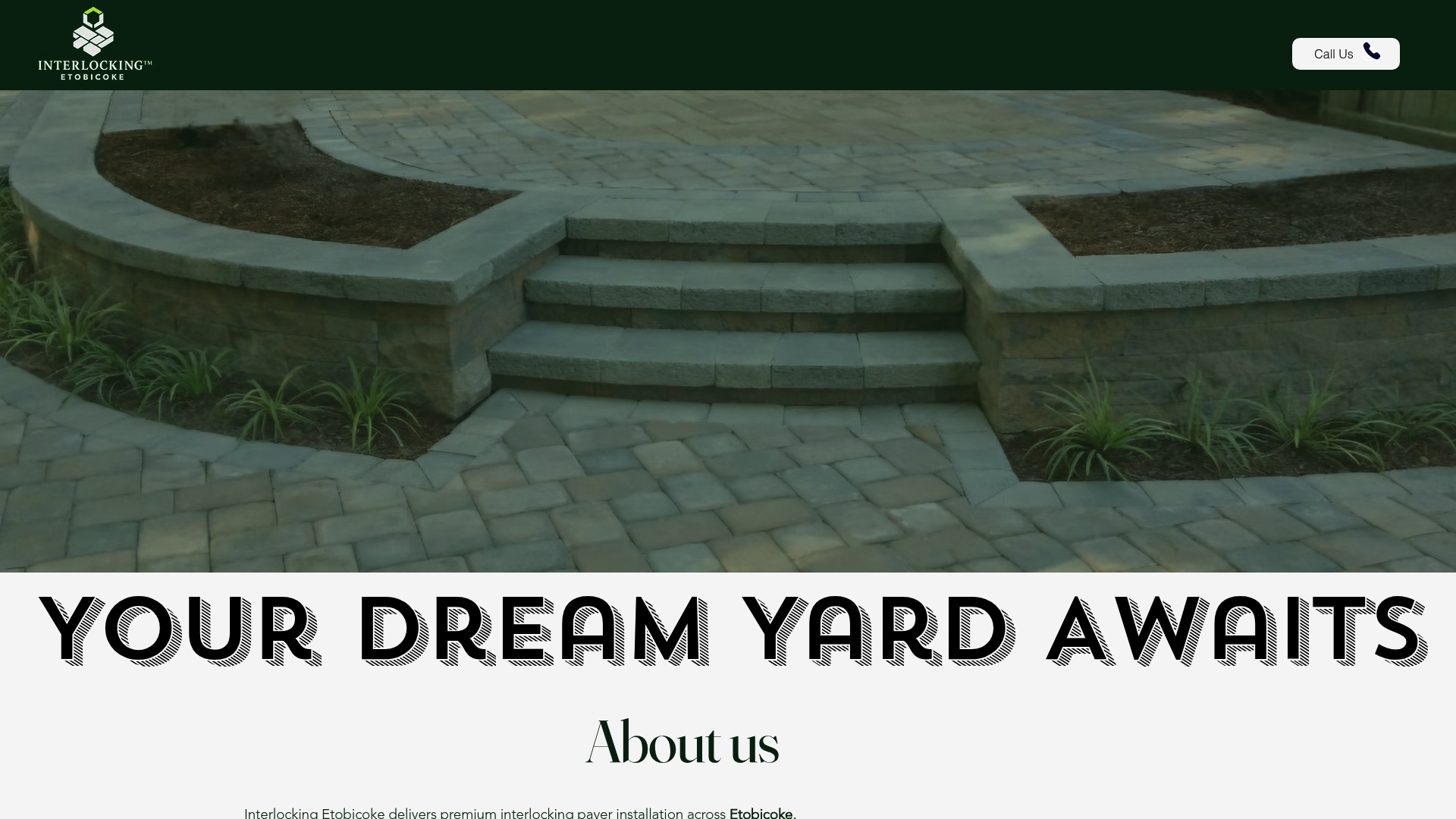
Our team specializes in creating integrated outdoor solutions that work seamlessly together. From expert retaining wall installation in Etobicoke to comprehensive professional drainage solutions, we handle every aspect of your project with precision and care. Discover the full range of retaining wall benefits and types available to enhance your property’s functionality and curb appeal. Every project meets all code requirements while exceeding your expectations for quality and craftsmanship.
What Are the Best Practices for Retaining Walls?
How long do different retaining wall materials last under Etobicoke’s climate?
Concrete blocks typically last 50 to 100+ years with minimal maintenance in Etobicoke’s freeze-thaw cycles. Natural stone can endure up to 1000 years when properly installed with adequate drainage. Timber walls last 15 to 40 years depending on wood type and maintenance frequency, while brick walls provide 30 to 75 years of service.
Why is drainage crucial behind retaining walls?
Drainage prevents hydrostatic pressure buildup that causes walls to bow, crack, or collapse. Proper systems can increase wall lifespan by 30% by moving water away before it creates destructive force. Without drainage, even the strongest materials fail prematurely under constant pressure from trapped moisture.
Do I need a permit to build a retaining wall in Etobicoke?
Etobicoke typically requires permits for retaining walls exceeding 1 meter in height. Permit requirements also apply to walls supporting structures, located near property lines, or in areas with specific zoning restrictions. Check with municipal building departments early in planning to ensure compliance and avoid enforcement issues.
How often should I maintain or inspect my retaining wall?
Inspect your retaining wall each spring after winter freeze-thaw cycles to check for bulging, leaning, or cracks. Clear drainage outlets of debris at least twice yearly. Concrete and stone walls need minimal maintenance beyond cleaning, while timber requires annual sealing and treatment to prevent rot and extend lifespan.
Can I add features like lighting or planters to my retaining wall?
Yes, integrated features enhance both function and aesthetics when planned during initial design. Built-in planters, low-voltage lighting, cap stone seating, and water features transform basic retaining walls into attractive focal points. Discuss these options with your contractor during planning to ensure proper structural accommodation and installation. Learn more through professional retaining wall advice tailored to your specific vision.
Recommended
Comments