
Interlocking Stone: Enhancing Outdoor Spaces in Etobicoke
- pkgbp02
- Feb 27
- 11 min read

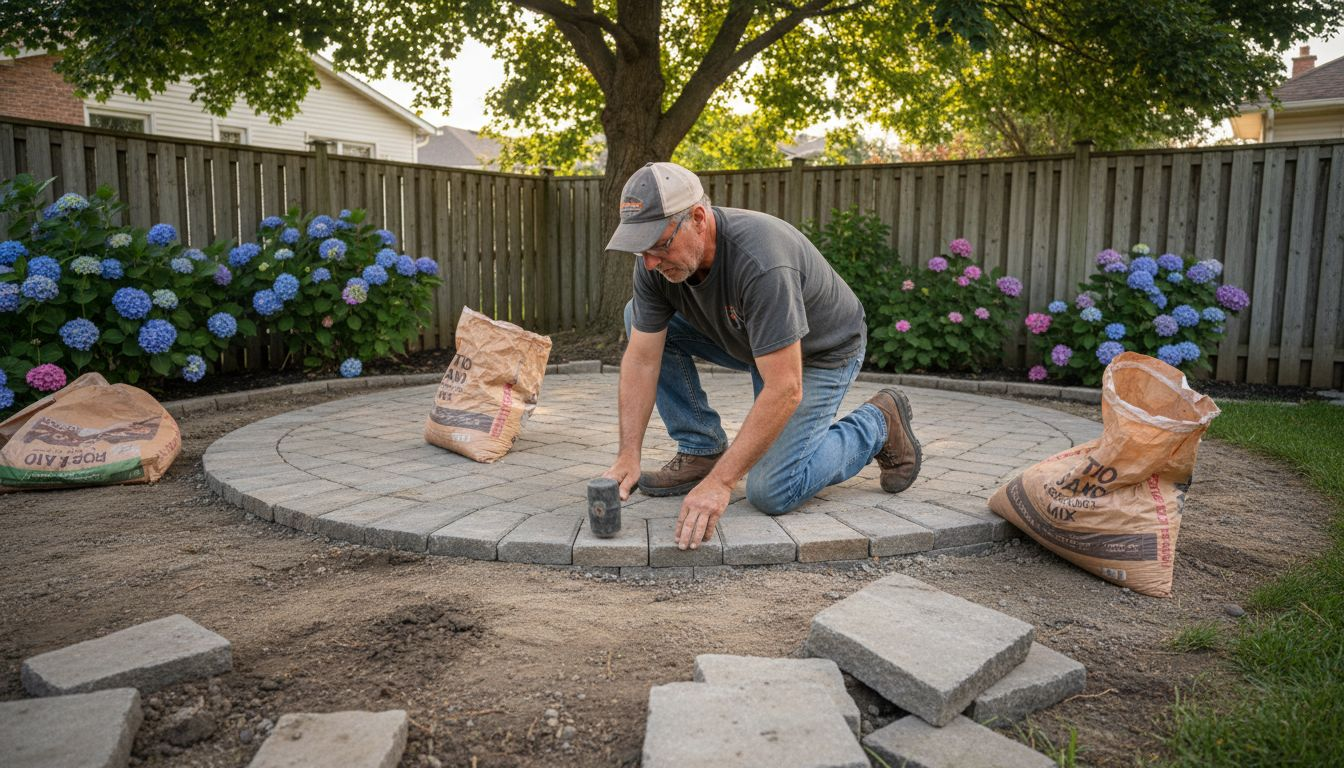
Planning an outdoor upgrade in Etobicoke can feel overwhelming when you want lasting beauty, easy care, and durability. Many homeowners are unsure about the real benefits of interlocking stone versus traditional options. By understanding the interlocking system’s unique stability and drainage—proven by ancient civilizations and praised in modern engineering—this guide gives you clear answers on why this Canadian-favourite surface suits both the Ontario climate and your everyday needs.
Table of Contents
Key Takeaways
Point | Details |
Interlocking Stone Offers Stability | The interconnected design distributes weight evenly, preventing cracks that often plague rigid surfaces like concrete. |
Minimal Maintenance Requirements | Regular sweeping and occasional washing are typically enough to keep interlocking stone looking pristine, significantly reducing long-term care costs. |
Long-Term Investment Value | While the initial cost may be comparable to concrete, interlocking stones last longer, saving money on replacements and repairs over time. |
Installation Quality is Crucial | Proper base preparation and installation techniques are essential for achieving the durability and functionality that interlocking stone promises. |
Interlocking Stone Defined and Common Myths
Interlocking stone refers to paving units designed to interconnect and form stable, unified surfaces for patios, driveways, and walkways. These stones work together as a system rather than as individual pieces, distributing weight evenly across your outdoor space.
Unlike poured concrete or traditional brick laid with mortar, interlocking pavers rely on their geometric design and proper base preparation to stay in place. This interconnected approach creates flexibility that actually strengthens your surface over time.
What Interlocking Stone Actually Is
Interlocking stones come in several materials, each with distinct advantages:
Concrete pavers: Durable, versatile, available in countless colours and textures
Clay brick: Classic aesthetic with natural warmth and longevity
Natural stone: Premium look with unique patterns and authentic character
Permeable interlocking pavers: Allow water drainage while supporting sustainability
The key defining feature is the interlocking mechanism—edges that fit together precisely so each stone supports its neighbours. This creates a self-locking system that accommodates minor settling and temperature shifts without cracking.
Debunking Common Myths About Interlocking Stone
Myth Number One: Interlocking stones are fragile and crack easily. Reality? The interlocking stone design actually provides inherent stability that distributed weight across multiple units prevents the concentrated stress that damages rigid surfaces like concrete. Ancient civilisations—particularly the Incas—used interlocking stone techniques for structures that survived earthquakes for centuries.
Myth Number Two: These surfaces require constant maintenance. Not true. Interlocking paving stones support durability and functionality across diverse climate conditions. Etobicoke’s freeze-thaw cycles? Interlocking handles them better than rigid alternatives because each unit moves slightly independently rather than cracking as one solid slab.
Myth Number Three: They don’t handle water well. Incorrect. Permeable interlocking pavers actually improve drainage and reduce flooding risk on your property. Rainwater filters through the joints rather than pooling or running off.
Myth Number Four: Installation is impossibly expensive compared to concrete. The upfront cost is competitive, and longevity makes interlocking the smarter investment. When one stone needs replacement after 15 years, you replace that single unit—not the entire driveway.
Myth Number Five: All interlocking stone systems are equally durable. Different materials and installation methods vary significantly. Quality installation with proper base preparation and pattern selection determines real-world performance.
The interlocking system’s strength comes from unity—each stone supports its neighbours, creating a surface stronger than any single component could be alone.
Pro tip: When comparing interlocking options for your Etobicoke home, focus on comparing interlocking versus concrete alternatives to understand which system matches your specific climate needs and budget timeline.
Types of Interlocking Stone for Canadian Homes
Canadian homeowners have more interlocking stone options today than ever before. Each type performs differently in our climate, with freeze-thaw cycles and heavy rainfall shaping which choice works best for your Etobicoke property.
The right interlocking material depends on your budget, aesthetic preferences, and how you plan to use the space. Understanding each type helps you make a choice that lasts decades rather than years.
Here’s a concise comparison of interlocking stone materials for Canadian homes:
Material Type | Lifespan Estimate | Upfront Cost | Visual Appeal |
Concrete Pavers | 20–30 years | Moderate | Many colours, textures |
Natural Stone | 30+ years | High | Unique, elegant finishes |
Clay Brick | 20–40 years | Moderate to high | Timeless, limited colours |
Permeable Pavers | 20–35 years | Moderate to high | Practical, eco-friendly |
Concrete Interlocking Pavers
Concrete pavers dominate the Canadian market because they balance cost, durability, and design flexibility. They withstand our freeze-thaw conditions exceptionally well when installed with proper base preparation.
Concrete pavers offer:
Countless colour options from charcoal grey to warm sandstone tones
Textured finishes that mimic natural stone without the premium price
Permeable varieties that improve drainage on your property
Easy replacement—individual units can be swapped without disrupting the entire surface
They’re manufactured to precise specifications, so each unit fits perfectly with its neighbours. Expect 20-30 years of reliable performance in Etobicoke’s climate.
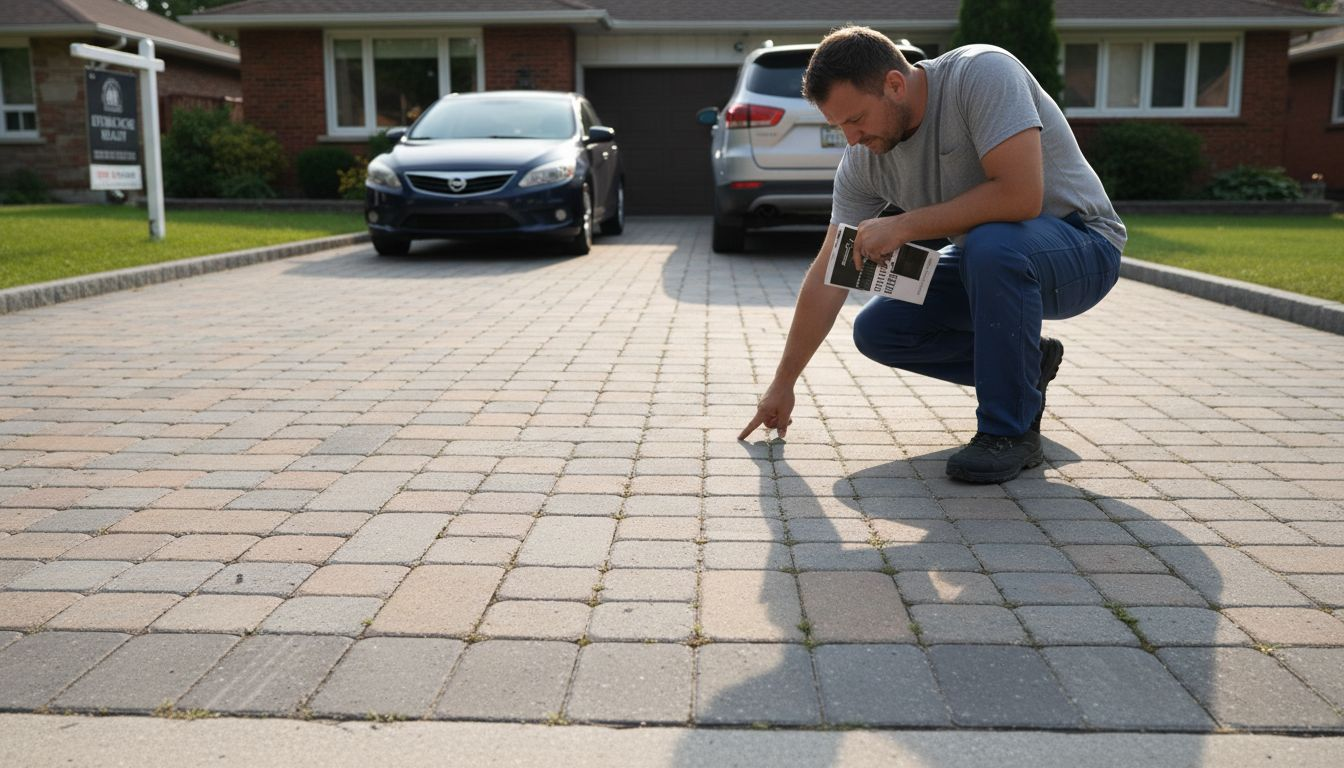
Natural Stone Interlocking Pavers
Natural stone delivers timeless elegance that concrete struggles to match. Granite, limestone, and slate each bring unique character to your outdoor space.
Natural stone characteristics:
Granite: Incredibly hard and weather-resistant, ideal for high-traffic areas
Slate: Rich colour variation with natural cleft finishes, slightly less durable than granite
Limestone: Softer appearance but can stain easily in wet climates
Natural stone costs more upfront, but the longevity often justifies the investment. These materials actually improve with age, developing a distinguished patina.
Clay Brick Interlocking Units
Clay brick offers traditional beauty with proven longevity. Bricks have been used in Canadian construction for over 150 years, proving their resilience through countless freeze-thaw cycles.
Clay brick advantages include authentic warmth, minimal colour fading, and superior freeze-thaw resistance. They’re heavier than concrete pavers, making them ideal for interlocking driveway applications where weight distribution matters.
The downside? Limited colour selection compared to concrete, and slightly higher cost than standard concrete pavers.
Permeable and Eco-Friendly Options
Permeable interlocking pavers address water management challenges common in suburban Etobicoke. These units feature open joints that allow rainwater to filter through rather than running off into storm drains.
Permeable benefits:
Reduces flooding risk on your property
Supports groundwater recharge in your neighbourhood
Meets modern environmental building standards
Available in concrete, clay, and natural stone varieties
The material type you choose should balance your climate needs with your long-term maintenance comfort—because the best interlocking stone is one you’ll love living with for 25 years.
Pro tip: When selecting between material types, request samples in their wet state (not just dry) to see how they’ll look during Etobicoke’s frequent rainfall, ensuring the colour and appearance match your vision year-round.
Key Features: Durability, Drainage, and Design Options
Interlocking stone succeeds because it combines three essential qualities that homeowners in Etobicoke need. Understanding durability, drainage, and design flexibility helps you see why this system outperforms rigid alternatives in our Ontario climate.
These features work together as a complete package. Each one strengthens the others, creating outdoor surfaces that last decades while handling rain, frost, and heavy use.
Durability That Withstands Time
Durability is interlocking stone’s greatest strength. The interlocking system distributes weight across multiple units rather than concentrating stress on one slab, preventing the cracks that plague concrete driveways.
Durability factors include:
Resilient materials engineered for Canadian freeze-thaw cycles
Individual units that move independently during temperature changes
Base composition with proper subbase preparation that prevents settling
No single point of failure—if one stone shifts, others remain stable
Proper installation with quality base materials extends lifespan to 25-35 years. That’s significantly longer than standard poured concrete, which typically cracks within 10-15 years in our climate.
Superior Drainage Performance
Water management separates interlocking from concrete. Unlike solid slabs that shed water into storm drains, permeable interlocking pavement design allows rainfall to filter through joints and recharge groundwater beneath your property.
Drainage benefits:
Reduces standing water and puddles on patios
Prevents ice buildup during freeze-thaw cycles
Manages stormwater naturally without overwhelming drainage systems
Supports sustainable landscaping practices
This becomes critical during Etobicoke’s spring runoff and heavy summer downpours. Water flows through rather than pooling, protecting your foundation and neighbouring properties.
Design Flexibility and Aesthetics
Design options with interlocking stone are genuinely endless. You’re not limited to grey concrete—thousands of colour combinations, patterns, and textures exist across concrete, clay, and natural stone varieties.
Design possibilities:
Running bond, herringbone, circular, and custom patterns
Colour blends from monochromatic to bold contrasts
Mixed material combinations (stone with brick accents, for example)
Edging treatments that define spaces and add visual interest
Your patio, driveway, or walkway becomes an extension of your home’s architecture. Unlike concrete that looks identical to every neighbour’s driveway, interlocking reflects your personal style.
The real power of interlocking stone is that durability, drainage, and beauty don’t require compromise—you get all three in one system.
Pro tip: Before finalising your design, visualise the pattern in daylight and shade—colours and textures shift dramatically depending on sun exposure, so visit completed projects at different times of day to confirm your choice.
Installation Process and Best Practices
Proper installation determines whether your interlocking stone investment lasts 25 years or falls apart in five. The process requires precision, quality materials, and attention to detail at every stage.
Skipping steps or rushing through installation creates problems that surface years later. Foundation shifts, drainage failures, and uneven settling all trace back to installation shortcuts.
Site Preparation and Base Work
Foundation preparation is where success or failure begins. Before a single stone is laid, your site needs proper excavation, grading, and compaction.
Preparation steps include:
Excavating to proper depth (typically 4-6 inches for patios, 8-10 inches for driveways)
Establishing correct slope for water runoff (1/8 inch per foot minimum)
Removing organic material and unstable soil
Compacting subgrade to 95% density with mechanical equipment
This foundation work prevents settling that causes stones to shift and create trip hazards. Poor compaction leads to immediate problems that no surface treatment can fix.
Base and Bedding Layers
Multiple layers create the stable system interlocking requires. Most installations use a 4-inch compacted base of crushed stone, topped with 1-2 inches of bedding sand.
The layering process:
Compact crushed stone base in 2-inch lifts
Level bedding sand across the entire surface
Use screeds to ensure consistent depth
Avoid over-compacting the sand layer—stones need slight flexibility
Geotextile fabrics separate layers and prevent base migration. This prevents your beautiful patio from sinking unevenly over years of freeze-thaw cycles.
Stone Installation and Jointing
Detailed procedural steps for stone laying ensure proper alignment and spacing. Stones must sit firmly on the bedding layer without rocking or gaps.
Installation techniques:
Start from a fixed baseline (edge or string line)
Tap each stone with a rubber mallet for firm seating
Maintain consistent 3-5mm joints between stones
Fill joints with polymeric jointing sand that hardens when wet
Vibrate the entire surface gently to set stones and distribute joint sand
Consistent joint spacing creates the interlocking effect that distributes weight. Irregular spacing creates stress points that lead to stone movement.
Final Compaction and Finishing
Plate compaction unifies your surface and activates polymeric sand. A final pass with a vibrating plate compactor (with rubber padding) seats everything permanently.
Finishing work includes:
Light compaction across entire surface
Sweeping additional polymeric sand into joints
Misting with water to activate the polymeric binder
Allowing 24-48 hours curing time before full use
Quality installation creates surfaces that improve with age—each season’s settling actually locks stones tighter together rather than loosening them.
Pro tip: Request a copy of the installation method statement before work begins, specifying base depth, sand type, compaction equipment, and final vibration schedule—then have your contractor verify each completed stage before moving forward.
The installation process for interlocking stone includes several key stages:
Stage | Purpose | Typical Pitfall |
Site Excavation & Grading | Achieve strong foundation | Insufficient compaction |
Base Layer Installation | Prevent settling & shifting | Wrong material choice |
Stone Laying & Joint Filling | Ensure stability & alignment | Irregular spacing |
Final Compaction & Finishing | Lock units and firm surface | Skipping vibration |
Maintenance, Costs, and Common Pitfalls
Interlocking stone requires far less maintenance than most homeowners expect. Smart upfront planning and occasional care keep your investment looking pristine for decades.
Understanding costs and avoiding common mistakes protects your investment. Small preventative measures cost pennies compared to fixing problems years later.
Realistic Maintenance Requirements
Interlocking stone maintenance is genuinely minimal. Most years, you’ll simply sweep debris and rinse with a garden hose. No sealing, staining, or special chemicals needed.
Routine maintenance tasks:
Sweep regularly to prevent organic debris accumulation
Rinse with water during spring and fall
Top up polymeric sand in joints every 3-5 years
Remove weeds growing through joints promptly
Pressure wash annually if you prefer a pristine look
Avoid harsh chemicals that degrade polymeric sand and harm the environment. Simple water and occasional light scrubbing handle most cleaning needs.
Cost Comparison and Long-Term Value
Initial costs run $12-20 per square foot for quality installations. That’s comparable to decorative concrete but significantly more durable. Concrete costs $8-15 upfront but needs replacement within 15 years.
Cost breakdown for typical 500-square-foot patio:
Interlocking stone: $6,000-$10,000 (lasts 25-35 years)
Concrete alternative: $4,000-$7,500 (lasts 10-15 years)
Maintenance over 30 years: $200-$400 for interlocking versus $2,000+ for concrete repairs
Interlocking costs more initially but saves money over your ownership period. When you sell, buyers recognise interlocking as a premium upgrade.
Common Problems and How to Prevent Them
Uneven surfaces from inadequate base preparation create trip hazards and water pooling. Prevention starts during installation—insist on proper subgrade compaction and base work.
Other preventable pitfalls:
Edge restraint failure: Border stones collapse without proper edging. Install concrete or metal edge restraints along all perimeter edges.
Poor drainage: Water puddles indicate improper slope. Ensure 1/8-inch per foot minimum slope away from structures.
Settling and shifting: Occurs with inadequate base or insufficient compaction. Quality contractors compact in 2-inch lifts to 95% density.
Staining and discolouration: Clean promptly when spills occur; avoid acidic cleaners that damage stone.
Efflorescence: White powder on stones is natural but unsightly. Pressure washing removes it without permanent damage.
Addressing Issues Before They Worsen
Early intervention prevents expensive repairs. Notice one shifted stone? Reset it immediately before neighbours shift too. See water pooling? Improve drainage before ice forms.
Quarter-yearly inspections catch problems early:
Walk your entire surface in spring and fall
Check for high or low spots indicating settling
Inspect edge restraints for movement
Look for weeds or moss in joints
Document any changes with photos
Address issues within weeks, not months. Small fixes cost $50-200; major repairs cost thousands.
The best maintenance strategy is preventing problems through quality installation—pay slightly more upfront for proper base work rather than spending thousands fixing poor foundations later.
Pro tip: Schedule annual professional inspections every spring after winter freeze-thaw cycles; contractors can identify settling patterns or drainage issues before they become visible to homeowners, allowing preventative repairs rather than reactive fixes.
Transform Your Etobicoke Outdoor Space with Expert Interlocking Stone Solutions
If you are facing challenges like uneven surfaces, poor drainage, or costly maintenance with your current outdoor areas, understanding the true strength and flexibility of interlocking stone is crucial. Our experienced team at Interlocking Etobicoke specialises in delivering durable, elegant patios, driveways, and walkways designed specifically for the Canadian climate and Etobicoke’s freeze-thaw cycles. With over 20 years of dedicated craftsmanship, we ensure each stone locks perfectly with its neighbour for lasting stability and beauty.
Discover the difference that precise base preparation, quality materials like concrete or natural stone pavers, and professional installation can make. Explore our expert guidance on interlocking driveway options in Etobicoke and how our solutions improve water drainage and reduce maintenance hassle. Start transforming your outdoor space now by visiting Interlocking Etobicoke and take the first step toward a functional and stunning neighbour-pleasing environment.
Frequently Asked Questions
What is interlocking stone and how does it work?
Interlocking stone refers to paving units designed to interconnect, forming stable surfaces for patios, driveways, and walkways. Their geometric design allows for flexibility and weight distribution, making them more durable than rigid surfaces like poured concrete.
How does the lifespan of interlocking stone compare to other paving materials?
Interlocking stones typically last 20-35 years, depending on the material and installation quality. In contrast, standard concrete usually lasts only 10-15 years before needing repair or replacement.
What maintenance is required for interlocking stone?
Routine maintenance for interlocking stones is minimal. Regular sweeping, rinsing, and the occasional topping up of joint sand every few years are usually sufficient to keep the surface looking its best.
Are permeable interlocking pavers effective for drainage?
Yes, permeable interlocking pavers allow rainwater to filter through their joints, reducing pooling and improving groundwater recharge. This makes them effective in managing stormwater naturally, preventing flooding on your property.
Recommended
Comments